

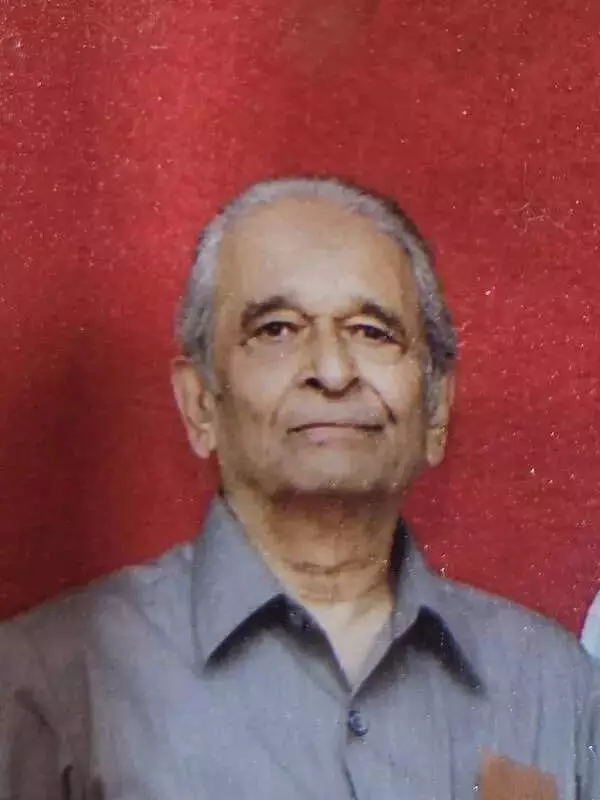
The world of earthquake science and engineering has lost a stalwart. Renowned seismologist Arun Bapat passed away on Saturday at the age of 85. He breathed his last at Pune's Deenanath Mangeshkar Hospital following a brief illness, as confirmed by his son, Shrirang Bapat.
A Life Dedicated to Earthquake Science
Arun Bapat was a cornerstone of India's seismic research community for decades. Based in Pune, his illustrious career was primarily spent at the Central Water and Power Research Station in Khadakwasla. He served as the head of the Earthquake Engineering Research Division there until his retirement in 1998. However, retirement did not slow him down; he continued to contribute as a senior consultant and became known for his bold predictions regarding seismic activity.
His body of work was both pioneering and vast. Bapat led groundbreaking studies in seismic hazard assessment, reservoir-induced seismicity, and earthquake-resistant design principles. His expertise was not confined to theoretical research but was aimed at practical applications to save lives and infrastructure.

Legacy of a Polyglot Pioneer
One of Bapat's most significant, yet tragically unheeded, contributions was his early warning regarding seismic activity in the Andaman region in 2004. His analysis preceded the catastrophic Indian Ocean tsunami that claimed hundreds of thousands of lives, highlighting the critical importance of his work.
Beyond the realm of geology and engineering, Arun Bapat was a man of diverse talents and profound depth. He served as a yoga advisor and a mental health coach, emphasizing holistic well-being. A gifted polyglot, he possessed command over eight languages. He could read, write, and speak Bengali, Gujarati, Hindi, Marathi, English, and Russian among others, showcasing his intellectual curiosity and cultural connect.
Remembering the Man and His Work
The passing of Arun Bapat marks the end of an era for Indian seismology. His death comes two years after he lost his wife, adding a layer of personal sorrow to the professional loss felt by the scientific community. His legacy, however, is firmly etched in the advanced understanding of earthquakes in India.
He is remembered not just as a brilliant scientist but as a consultant who fearlessly shared his predictions, a mentor, and a multifaceted individual who bridged science with wellness. His work continues to inform safety standards and disaster preparedness protocols, a lasting tribute to a life dedicated to understanding the earth's tremors to protect those who live upon it.






