

Rare and Severe Complications from Radiation Therapy in Cancer Patient
Radiation therapy stands as one of the most widely utilized cancer treatments across the globe, yet it carries a significant burden of potential side effects. While targeting malignant cells, this treatment can inadvertently harm healthy tissues surrounding the treated area. In extreme instances, the resulting damage can escalate beyond manageable limits, leading to life-threatening conditions.
A Shocking Medical Case: Mouth Exposed Inside Out
Dr. Narayana Subramaniam, Lead Consultant in Head and Neck Surgery & Oncology at Aster Whitefield Hospital, recently detailed a rare and alarming case involving a 70-year-old patient with oral cancer. The individual arrived at the hospital with his mouth exposed inside out, a direct consequence of severe complications from prior treatments.
Dr. Subramaniam explained that prolonged exposure to radiation therapy, in extreme scenarios, can trigger several critical issues:

- Fibrosis, which stiffens and scars tissues
- Impaired healing processes
- Increased risk of infections
- Formation of open wounds
- Osteoradionecrosis, a condition where the jawbone begins to decay
This particular patient had undergone three major cancer surgeries and two rounds of radiation therapy earlier. These treatments led to severe fibrosis, making the tissues exceptionally difficult to operate on. As the jawbone decayed, it became infected, and the body started rejecting it. The dead bone gradually pushed outward, creating a large open wound on his face and resulting in an oro-cutaneous fistula. This meant the inside of his mouth opened directly onto the skin.
Critical Risk of Catastrophic Bleeding
The situation was further complicated by the exposure of the carotid artery in the neck through the wound. This placed the patient at constant risk of catastrophic bleeding that could lead to death within minutes, noted Dr. Subramaniam. With no protective tissue covering the artery, even a minor injury or infection could cause it to rupture, resulting in sudden and fatal hemorrhage.
The surgeon emphasized the compounded challenges: Every time radiation is administered, tissues become fibrotic and very difficult to operate on. In this case, the patient also faced osteoradionecrosis, malnutrition, infection, and an open wound that presented a surgical minefield.
A Risky and Unconventional Surgical Intervention
Typically, surgery for such conditions involves removing dead tissue and initiating Hyperbaric Oxygen Therapy (HBOT) to promote healing in radiation-damaged areas. However, this patient experienced a stroke due to a clot in the exposed vessel just before the planned surgery. Normally, we wait 10–16 weeks after a stroke, said Dr. Subramaniam. But waiting was not an option here due to the imminent risk of carotid artery rupture.
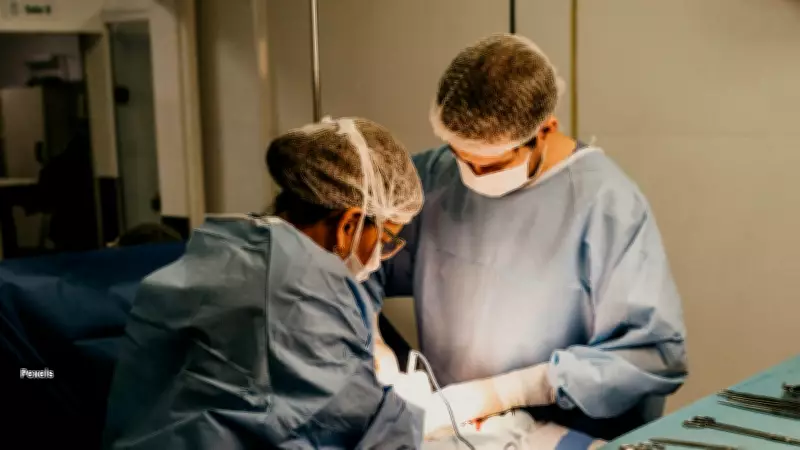
Surgeons proceeded with the operation just four weeks later, employing an Anterolateral Thigh (ALT) free flap to reconstruct the jaw. They connected it to vessels on the opposite side of the neck, a necessary adaptation due to radiation damage on the affected side. The surgery was performed solely to prevent sudden death and restore some quality of life, Dr. Subramaniam stated.
Warning Signs and Essential Precautions
Osteoradionecrosis and tissue fibrosis represent extremely critical conditions that require vigilant monitoring. Patients undergoing radiation therapy should be alert to specific symptoms for timely medical intervention:
- A sore or ulcer on the gums, neck, or outer jaw
- Persistent pain or swelling
- Signs of infection
- Malocclusion, or misaligned teeth
- Numbness or tingling sensations
- Exposed bone inside the mouth
- Bone protruding through the skin, typically under the jaw
- A broken jawbone, or fracture
- Tight jaw muscles limiting mouth opening, known as trismus
Maintaining rigorous oral hygiene during treatment is paramount to mitigate these risks. This article is based on information from public sources and expert insights. Always consult a healthcare professional before initiating any medical routine.






