The entertainment world was plunged into mourning on January 12, 2026, with the shocking news of singer and actor Prashant Tamang's untimely death. The winner of Indian Idol Season 3, who had recently gained acclaim for his role in Paatal Lok 2, passed away at the age of 43 due to a sudden cardiac arrest.
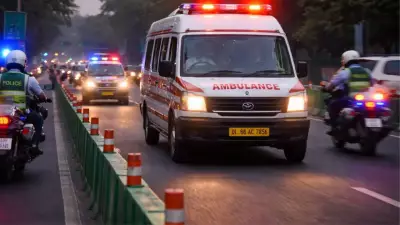
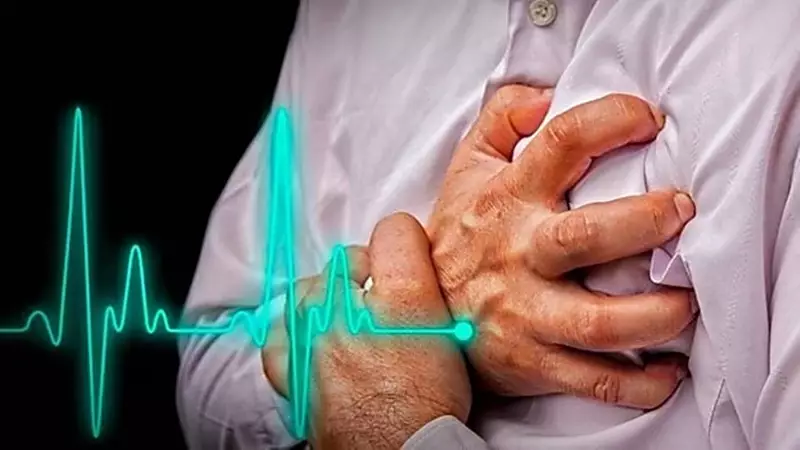
According to reports, Tamang went to bed comfortably but never woke up the following morning. His family rushed him to a hospital, where he was declared dead on arrival. This tragic incident has cast a spotlight on the frightening phenomenon of cardiac arrests occurring during sleep, a scenario that often claims lives without any prior warning.
The Silent Night-Time Killer: Understanding Nocturnal Cardiac Arrest
Dr. Ranjan Shetty, Lead Cardiologist and Medical Director at Sparsh Hospital in Bengaluru, explains that sudden cardiac arrest during sleep, while poorly understood, is quite common. "Apparently healthy people go to bed normally never to wake up again. Most of them are unaware of their underlying heart condition, which can trigger a sudden cardiac arrest," he states.

The primary reason for this nighttime risk lies in the body's natural shift into a restful, parasympathetic state. During sleep, the heart rate slows down. Dr. Shetty elaborates that the electrical signals governing heartbeats can become disrupted in this phase, leading to severe irregularities or arrhythmias. For individuals with undiagnosed heart rhythm disorders, the risk is highest between midnight and early morning.
Hidden Triggers: From Sleep Apnea to Silent Stress
Several covert factors significantly elevate the risk of a fatal event at night. A major contributor is sleep apnea, a disorder characterized by intermittent pauses in breathing. "This stresses out the heart and its rhythms become unstable, triggering sudden cardiac arrest during sleep. Many people snore and do not even know that they have undiagnosed sleep apnea," warns Dr. Shetty.
Another danger is a silent heart attack caused by plaque rupture. Hormonal shifts in the early morning hours naturally increase blood pressure and heart rate. This added stress can cause unstable plaque in the arteries to rupture, forming a clot that abruptly blocks blood flow, leading to a fatal arrhythmia. The individual remains completely unaware as they are in deep sleep.
Furthermore, lifestyle factors play a devastating role. Electrolyte imbalances, such as low potassium or magnesium often caused by dehydration, alcohol consumption, or diuretics, can trigger fatal arrhythmias during sleep. Dr. Shetty strongly cautions against alcohol before bed due to its disruptive potential.
A Generation at Risk: The Alarming Health of Young Indians
Dr. Shetty points to a grim reality: by age 40, a stressful lifestyle means most young Indians are grappling with high cholesterol, blood pressure, or diabetes. These conditions often remain silent without regular check-ups until a fatal rhythm occurs.
"The worst is stress induced by long working and sedentary hours, poor sleep, career anxiety, and financial challenges," he says. These factors raise stress hormones like cortisol and adrenaline, which can trigger dangerous heart rhythms. Even without arterial blockages, chronic stress can flip the switch and cause sudden cardiac arrest. Belly fat, fatty liver, insulin resistance, and inflammation act as powerful risk accelerators.
To mitigate risk in your 40s, Dr. Shetty advises a series of essential tests:
- Lipid profile, blood sugar, and blood pressure checks.
- Stress test (crucial for those with a family history).
- Electrocardiogram (ECG) and echocardiogram.
If any irregularities are detected, doctors may recommend a cardiac holter test (a portable ECG worn for 24-48 hours) or a cardiac event monitor to capture arrhythmias during daily activities. Identifying these patterns allows for corrective medication and potentially life-saving intervention.
The tragic loss of Prashant Tamang is a sobering reminder that heart care must begin with proactive management of health parameters, regular screenings, and addressing the silent epidemics of stress and lifestyle diseases prevalent among India's young population.