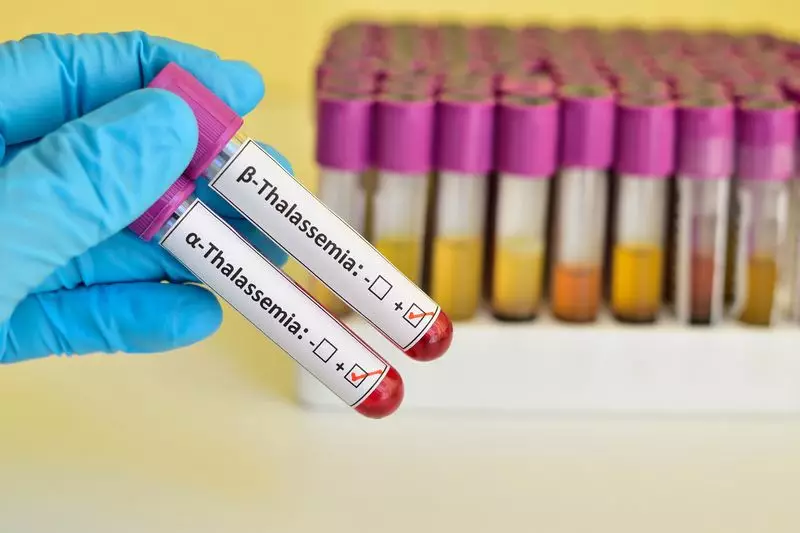
For millions of thalassemia patients in India and worldwide, a life free from regular, painful blood transfusions has long been a distant dream. However, a significant breakthrough in medical research is now offering a tangible ray of hope. A new oral medication has demonstrated promising results in clinical trials, potentially transforming the management of this challenging genetic blood disorder.
What is Thalassemia and the Current Treatment Challenge?
Thalassemia is a serious inherited blood disorder where the body produces an abnormal form of hemoglobin. This leads to the destruction of red blood cells, causing severe anemia. In India, it is estimated that over 10,000 children are born with thalassemia major each year, adding to a large existing patient population. The current standard of care for severe cases, known as transfusion-dependent thalassemia (TDT), involves regular blood transfusions every few weeks to sustain life.
While life-saving, this regimen comes with a heavy burden. Patients face a lifetime of hospital visits, the risk of infections, and complications from iron overload, which requires additional chelation therapy. The financial, physical, and emotional toll on patients and their families is immense, making the search for an effective oral treatment a critical medical priority.

Mitapivat: The New Oral Pill Showing Promise
The beacon of hope comes in the form of a drug called Mitapivat. Recently, the results from the Phase 3 ENERGIZE study were published, showcasing its potential. Mitapivat is an oral, small-molecule activator of pyruvate kinase, a key enzyme in the red blood cell. In simpler terms, it helps improve the health and survival of red blood cells in patients with thalassemia.
The global trial involved patients with beta thalassemia, the most common type. The results were encouraging: a significant proportion of patients who received Mitapivat achieved a transfusion reduction of at least 33% compared to those on a placebo. For some patients, the reduction was even more substantial. This indicates that the drug could meaningfully decrease the dependency on external blood transfusions.
Implications and the Road Ahead for India
The development of an effective oral therapy like Mitapivat could revolutionize thalassemia care. The benefits are multifold:
- Improved Quality of Life: Reducing transfusion frequency means fewer hospital visits, less disruption to daily life, and lower risk of transfusion-related complications.
- Reduced Iron Overload: With fewer transfusions, the dangerous accumulation of iron in vital organs could be better managed, potentially reducing the need for intensive chelation therapy.
- Economic Relief: The cost burden of lifelong transfusions and iron-chelation is staggering for families and the healthcare system. An oral drug, while likely expensive initially, could offer long-term economic benefits.
For a country like India with a high prevalence of thalassemia, this research is particularly significant. While the drug is not a cure, it represents a major step forward from purely supportive care to a more targeted treatment. However, challenges remain, including ensuring the drug's affordability and accessibility once it receives regulatory approvals. The medical community views this as a pivotal moment, bringing a long-awaited new hope for thalassemics who have endured the rigors of transfusion-dependent life.
As researchers continue to analyze the data and work towards making this treatment available, the success of Mitapivat in trials marks a new chapter in the fight against thalassemia, moving closer to the goal of a more manageable life for patients.