Smart wound dressing developed at NIT-Rourkela
Researchers at the National Institute of Technology (NIT), Rourkela, have developed a smart wound dressing that prevents infections, minimises pain during removal, and promotes faster healing. The innovation addresses the trauma patients often experience with repeated dressing changes, where traditional cotton gauze sticks to the wound and damages newly formed tissue.
How the smart gauze works
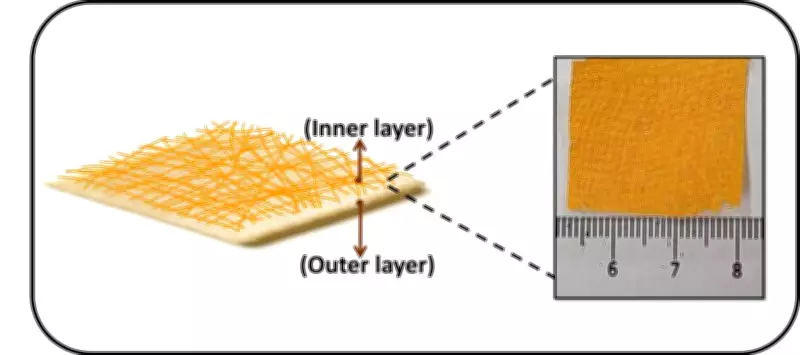
The smart cotton gauze integrates chitosan-coated cotton gauze with an electrospun nanofibrous layer filled with curcumin, a natural compound known for its antimicrobial properties. This layer is placed between the wound and the gauze, minimising the adhesive's direct contact with the wound and reducing the risk of tissue damage during removal. The curcumin-filled nanofibers slowly release medication onto the wound, maintaining sustained drug delivery and a sterile wound environment. This reduces dependence on repeated gauze changes and additional medications.
Laboratory results and cost
According to Prof Prasoon Kumar, assistant professor in the Department of Biotechnology and Medical Engineering at NIT-Rourkela, “In our laboratory tests, we have found that the developed dressing effectively reduces wound adhesion compared to commonly used cotton gauze dressings. The sustained release of curcumin from the nanofibrous layer provides antibacterial protection and the nanofibrous layer itself supports cellular growth and tissue regeneration.” He added that while a standard cotton gauze bandage roll (10 cm × 4 m) costs around INR 30, the advanced smart bandage of similar size will cost around INR 50–60 when fabricated at a commercial scale.

Publication and future plans
The findings were published in the journal Emergent Materials. The research team includes Prof Prasoon Kumar, Prof Devendra Verma, Prof Earu Banoth, and research scholars Swagatika Barik, Rika Rani Pradhan, Shikha Tripathi, and Samadrita Roy from the Department of Biotechnology and Medical Engineering. The team plans to file a patent for the technology and explore industry collaboration for clinical trials.