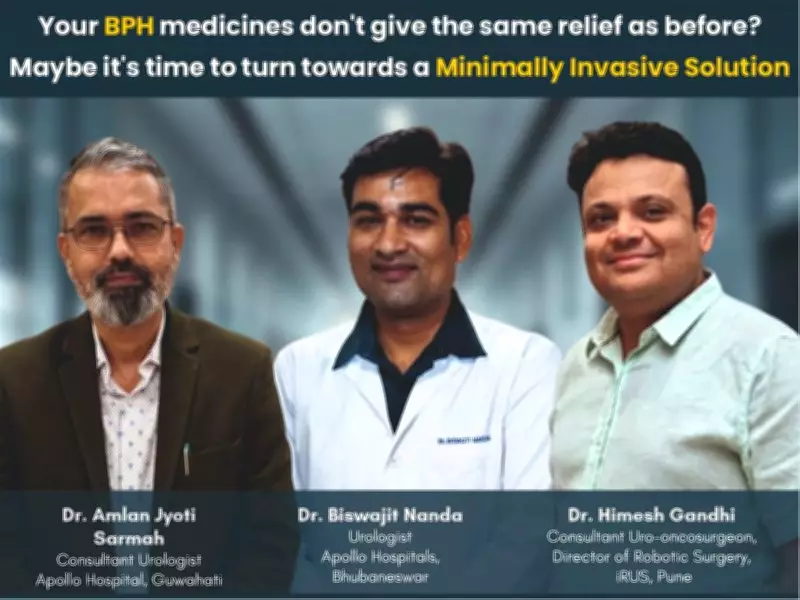
Benign prostatic hyperplasia (BPH) affects millions of men worldwide, causing bothersome urinary symptoms. While medication and surgery are common treatments, many patients find them ineffective or fraught with side effects. Experts now highlight minimally invasive alternatives that offer a middle ground.
Understanding BPH and Treatment Challenges
BPH is a non-cancerous enlargement of the prostate gland, leading to urinary frequency, urgency, weak stream, and incomplete bladder emptying. Standard treatments include alpha-blockers and 5-alpha reductase inhibitors, but these can cause dizziness, sexual dysfunction, and may lose efficacy over time. Surgical options like transurethral resection of the prostate (TURP) are effective but carry risks of bleeding, infection, and retrograde ejaculation.
Minimally Invasive Alternatives
Newer procedures offer significant benefits with fewer complications. These include:

- Rezūm Water Vapor Therapy: Uses steam to destroy excess prostate tissue. It preserves sexual function and can be done in a doctor's office.
- UroLift System: Implants small implants to hold the prostate lobes apart, relieving obstruction without cutting or heating tissue.
- Prostatic Artery Embolization (PAE): A radiologist blocks blood flow to the prostate, causing it to shrink. No incisions are needed.
- Laser Therapies (HoLEP, ThuLEP): Use laser energy to remove tissue with minimal bleeding and shorter recovery.
These procedures are typically outpatient, have lower risk of sexual side effects, and provide durable symptom relief. However, not all patients are candidates; prostate size and anatomy play a role.
Expert Insights
Dr. Rajesh Khanna, a leading urologist, states, Many men suffer in silence because they fear surgery or side effects. Minimally invasive options bridge the gap between medication and major surgery, offering effective relief with minimal downtime. Dr. Anjali Mehta, interventional radiologist, adds, PAE is a game-changer for patients with large prostates who are not surgical candidates. It's safe and effective.
Patients should discuss these options with a specialist to determine the best approach based on their symptoms, prostate size, and health status.
Conclusion
If your current BPH treatment is ineffective, don't lose hope. Minimally invasive alternatives provide a viable solution with fewer side effects and faster recovery. Consult your doctor to explore these advanced therapies and improve your quality of life.