

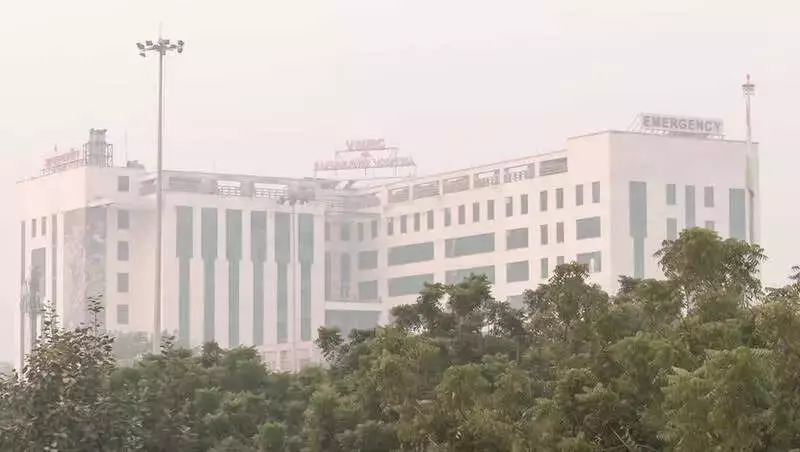
One of India's largest central government hospitals in the national capital is operating with a severe deficit of teaching faculty, raising serious concerns about the quality of patient care and medical training. The situation came to light through a Right to Information (RTI) reply received on December 27, 2025.
Scale of the Staffing Crisis
The administration of Vardhman Mahavir Medical College (VMMC) and Safdarjung Hospital disclosed that 70 out of 398 sanctioned teaching positions are currently unfilled. While the hospital currently has 365 faculty members in position—346 regular and 19 contractual—the distribution is highly uneven. Some departments have an excess of 37 faculty members, which exacerbates the acute shortages in other critical areas.
This imbalance has led to persistent staffing gaps and internal disparities, rather than a uniform deployment of available teaching staff across the institution.

Critical Departments Bearing the Brunt
The RTI data reveals that several core clinical specialties are functioning with alarmingly low faculty strength. The department of clinical haematology is operating with just 2 faculty members against 11 sanctioned posts, leaving nine positions vacant. Neurology is short of eight doctors, while the high-pressure cardiology department has seven vacancies out of twelve.
Other vital areas facing significant shortages include:
- Neurosurgery: Five vacant posts.
- Anaesthesia: Six vacancies, impacting all surgical services.
- Medical Oncology: Both sanctioned posts are vacant, affecting cancer care.
- Nuclear Medicine & Urology: Three and four vacancies respectively.
Additional shortfalls exist in pathology, physiology, pulmonary medicine, endocrinology, and forensic medicine, painting a picture of widespread strain across the hospital's academic and clinical functions.
Official Response and Expert Warnings
Responding to the RTI findings, Sakshi Chhugh, the Public Relations Officer for VMMC & Safdarjung Hospital, provided a slightly different tally. She stated that of the 398 sanctioned posts, 345 are occupied by regular faculty and 18 by contractual staff. She added that interviews for 35 remaining posts have been conducted and appointments will be finalized following standard recruitment procedures.
"The hospital continues to ensure that academic activities, teaching programmes and patient care services remain uninterrupted," Chhugh assured.
However, health experts sound a note of caution. They warn that sustained faculty shortages in major teaching hospitals like Safdarjung can have a cascading effect. The likely consequences include longer waiting times for patients, an overwhelming workload for existing clinicians, and reduced teaching and supervision for medical students. These factors directly threaten the quality of service delivery at such high-volume public health centres.
The situation underscores a broader challenge in public healthcare infrastructure, where staffing imbalances can compromise both education for future doctors and critical care for present patients.






