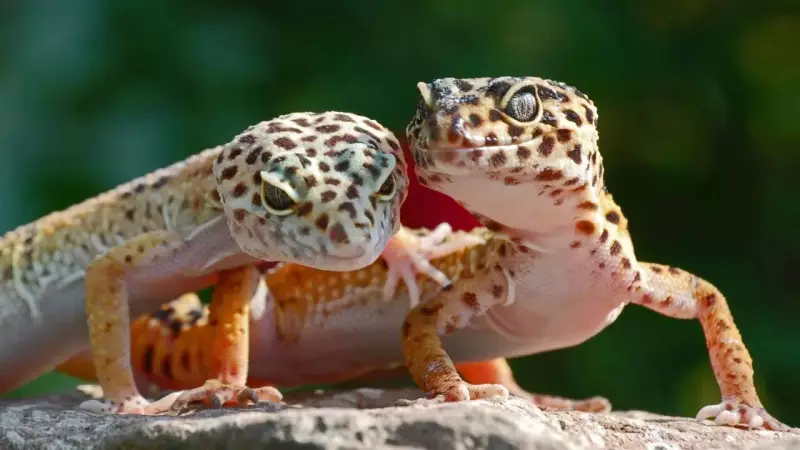
When we think of reptiles, the image of a turtle burying its eggs or a crocodile guarding its nest often comes to mind. However, the reproductive story of this ancient group is far more complex and fascinating. A significant number of reptiles, particularly snakes and lizards, bypass the egg-laying stage entirely, giving birth to fully developed live young. This phenomenon, known as viviparity, is a remarkable adaptation that challenges common perceptions and highlights the incredible diversity of life.
Not Just Eggs: The Spectrum of Reptilian Birth
Viviparity, or live birth, is not a single, uniform process but exists along a continuum in the reptile world. Scientific research, synthesised in journals like Reproduction, has meticulously documented this using anatomical studies, physiological data, and field observations. In some species, females retain shelled eggs internally until they hatch, immediately releasing the young. In others, embryos develop for extended periods within the mother's oviduct, receiving nourishment beyond their initial yolk supply.
This reproductive strategy is almost exclusively found within the squamate reptiles—the group encompassing lizards and snakes. Intriguingly, closely related species can have different reproductive modes. Some genera even contain both egg-laying (oviparous) and live-bearing (viviparous) members. Phylogenetic studies confirm that live birth has evolved independently multiple times across different lineages, making it a recurring biological innovation rather than a rare fluke.

The Anatomy and Science of Internal Gestation
How do reptiles manage to nurture their young internally? The secret lies in specialized adaptations of the female reproductive system. In viviparous species, the oviduct undergoes significant changes during pregnancy. Its blood supply increases, and its epithelial tissues modify to allow for a close association with the embryonic membranes.
This intimate connection facilitates critical gas exchange—oxygen in, carbon dioxide out—without the need for an external egg. In some advanced cases, mothers also provide water and additional nutrients to their developing offspring through specialized regions of the oviduct. Hormonally, sustained high levels of progesterone are key to maintaining pregnancy, with a drop triggering the birth process.
Which Reptiles Give Live Birth and Where Are They Found?
The distribution of viviparity is uneven across reptile families. Among lizards, skinks are a standout group with a high number of live-bearing species. In snakes, well-known examples include boas, vipers, and most sea snakes, which birth their young directly into aquatic environments. Conversely, groups like crocodilians, turtles, and tortoises show no evidence of viviparity, sticking exclusively to egg-laying.
Geographically, live-bearing reptiles are often associated with cooler or thermally unpredictable environments, such as alpine zones and temperate regions. This pattern suggests viviparity may be an adaptation that buffers developing embryos from harsh external conditions. In these populations, birth timing is frequently synchronized, and litter size can vary dramatically from a few large offspring to many smaller ones.
The study of reptile reproduction, powered by improved imaging techniques and comparative surveys, continues to reveal the intricate ways life persists and adapts. The presence of live birth across so many lineages is a powerful testament to the evolutionary creativity found in the natural world, right from the mountains of India to the global tropics.