

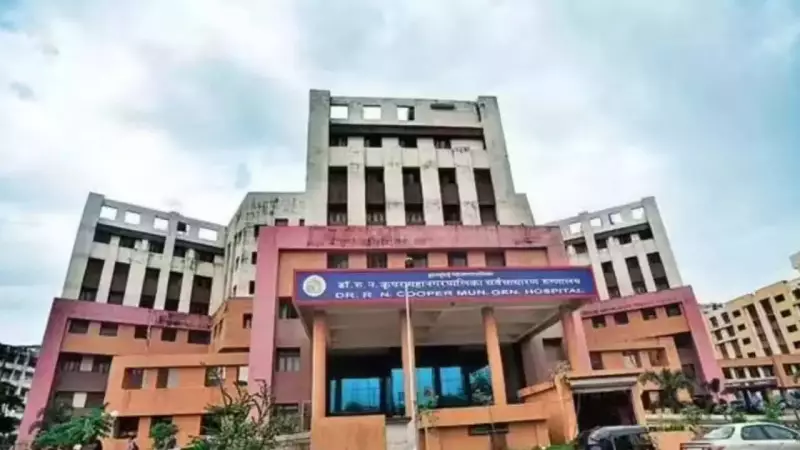
Intern Doctor Kicked by Drunk Patient in Early Morning Attack
A shocking incident of violence against a medical professional unfolded at Mumbai's Cooper Hospital in the early hours of Wednesday. A 23-year-old woman intern doctor was physically assaulted by an intoxicated patient while she was performing her duties.
Details of the Assault
The alleged attack occurred around 4 am on Wednesday. According to hospital officials and a doctor from the intern's association, the young intern was examining the patient who was visibly aggressive and under the influence of alcohol. The intern had initially expressed feeling unsafe due to the patient's demeanor. The situation escalated when the chief medical officer asked her to check the patient's vitals. As she proceeded to do so, the patient violently kicked her in the chest not once, but twice.
Allegations Against Hospital Administration
The incident has sparked serious controversy beyond the physical assault. There are accusations that the hospital administration attempted to dissuade the intern from reporting the attack to the police. This has raised questions about the support system and safety protocols for junior doctors. Meanwhile, the Dean of Cooper Hospital, Dr. Dev Shetty, offered a contrasting perspective, describing the event as a 'minor altercation'. He stated that the hospital had left the decision of filing a formal police complaint entirely to the woman intern. At the time of reporting, it was not confirmed whether an official First Information Report (FIR) had been registered.

Broader Implications for Healthcare Worker Safety
This attack highlights the persistent and grave issue of violence against healthcare workers in India. Interns and junior doctors, often on the front lines of patient care, are particularly vulnerable. The incident at Cooper Hospital underscores the urgent need for:
- Enhanced security measures in hospital wards, especially during night hours.
- Clear and supportive protocols for staff facing aggressive patients or relatives.
- Zero-tolerance policies towards violence, backed by swift administrative and legal action.
The well-being of those who dedicate their lives to healing must be protected to ensure a safe working environment in the medical field.






