

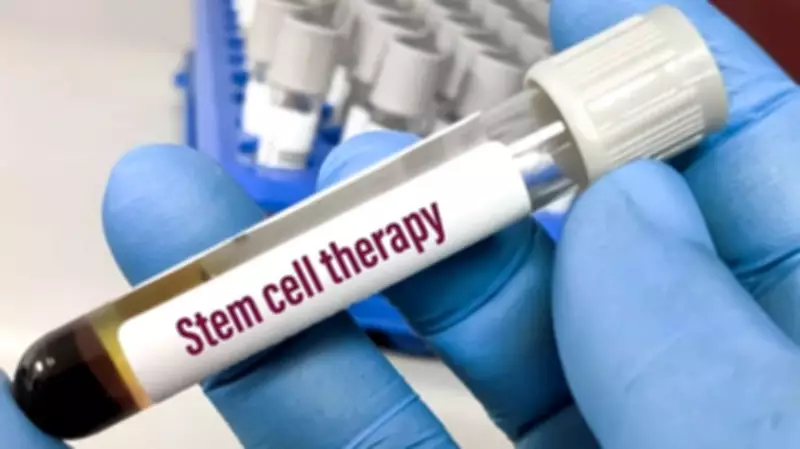
Inside India's Advanced Stem Cell Therapy Laboratories
The world of stem cell therapy in India represents a frontier of modern medicine, characterized by sophisticated procedures, substantial financial investments, and an unwavering commitment to precision. These specialized laboratories are at the heart of treatments like bone marrow transplants, where every detail matters for patient outcomes.
The Critical Role of HLA Protein Matching
At the core of successful stem cell therapies lies the Human Leukocyte Antigen (HLA) system. HLA is a protein present on the surface of cells which varies from person to person, functioning much like a unique biological identification tag. This variation means that matching donors and recipients requires meticulous genetic analysis to ensure compatibility, a process that is both time-consuming and technically demanding.
The complexity of HLA matching cannot be overstated, as even minor mismatches can lead to severe complications, including graft-versus-host disease, where the transplanted cells attack the recipient's body. Laboratories employ advanced genomic sequencing technologies to analyze HLA profiles, often requiring multiple tests to confirm matches with high accuracy.

Navigating High Costs and Financial Barriers
Stem cell therapies come with a heavy financial burden, often costing lakhs of rupees, which can be prohibitive for many patients. The expenses are driven by several factors:
- Advanced laboratory equipment and maintenance
- Specialized medical personnel with expertise in cellular biology
- Costly consumables and reagents for cell culture and testing
- Extended hospital stays and post-treatment care
In India, while some government schemes and insurance policies offer partial coverage, out-of-pocket expenses remain significant, highlighting the need for more accessible funding models in regenerative medicine.
Precision Procedures in Laboratory Settings
Precision is paramount in stem cell therapy labs, where procedures must adhere to strict protocols to ensure safety and efficacy. Key steps include:
- Stem cell harvesting: Collecting cells from sources like bone marrow, umbilical cord blood, or peripheral blood under sterile conditions.
- Cell processing and expansion: Isolating and culturing stem cells in controlled environments to increase their numbers without contamination.
- Quality control testing: Verifying cell viability, purity, and HLA matching through rigorous assays before transplantation.
- Transplantation and monitoring: Administering cells to patients and closely tracking their integration and function over time.
These steps require state-of-the-art facilities, often found in major medical hubs like Bengaluru, which has emerged as a center for such advanced treatments in India.
The Future of Stem Cell Therapy in India
As research progresses, stem cell therapy holds promise for treating a wide range of conditions, from blood disorders to degenerative diseases. However, challenges such as regulatory hurdles, ethical considerations, and the need for more trained professionals persist. Laboratories are increasingly adopting automation and artificial intelligence to enhance precision and reduce human error, potentially lowering costs in the long term.
In summary, India's stem cell therapy labs operate at the intersection of high technology and high stakes, where the heavy costs, complex procedures, and demand for high precision define a rapidly evolving field. With continued innovation and investment, these facilities aim to make life-saving treatments more accessible while maintaining the rigorous standards necessary for patient safety and success.






