

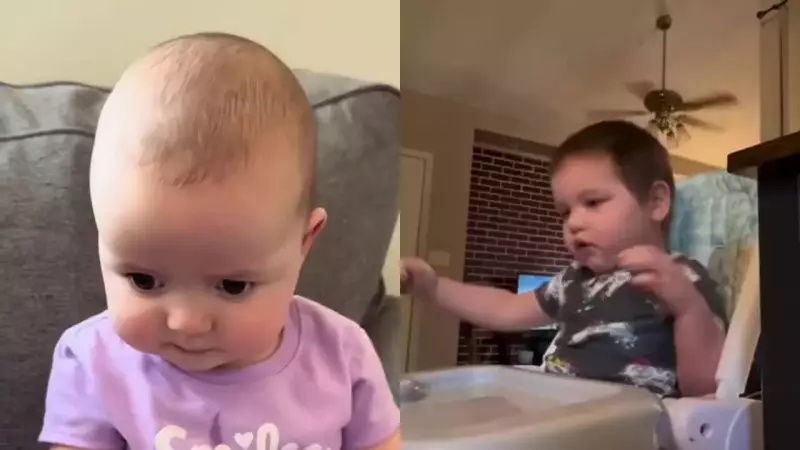
In a vital advisory for parents, healthcare expert Lidia Molinara has highlighted the critical signs and necessary actions for a serious neurological condition affecting infants known as infantile spasms. Through a detailed social media post, Molinara emphasized that this form of seizure typically strikes babies between the ages of 3 to 12 months and is often mistaken for normal baby behavior, leading to dangerous delays in treatment.
What Are Infantile Spasms and Why Are They Dangerous?
According to Lidia Molinara, infantile spasms are a specific type of seizure that manifests in very young children. Unlike more dramatic convulsions, these episodes can be deceptively subtle. They may appear as brief head drops, sudden arm flailing, or repetitive jerky motions. Because these movements can be mild, parents and caregivers might overlook them or confuse them with typical startle reflexes or normal developmental phases.
However, Molinara stresses that infantile spasms constitute a medical emergency. The underlying reason for the urgency is their strong association with serious neurological disorders. If not diagnosed and treated aggressively at the earliest, these spasms can lead to significant long-term developmental delays, cognitive impairment, and in severe cases, can even prove fatal.

Key Symptoms Parents Must Watch For
The healthcare advisor provided a clear list of signs that should raise an immediate red flag. Parents are urged to observe their babies closely, especially during transitions in sleep cycles. The hallmark symptoms often occur in clusters and may include:
- Sudden, repeated head nodding or dropping forward.
- Brief episodes of body stiffening.
- Clusters of repetitive jerking movements, often of the arms, legs, or torso.
- These episodes frequently happen as the baby is waking up or falling asleep.
Molinara pointed out that the causes of infantile spasms are varied and often complex. They can stem from structural changes in the brain, genetic conditions, metabolic imbalances, prior brain injury, or incidents involving a lack of oxygen.
Immediate Action Steps to Safeguard Your Child
Lidia Molinara outlined a clear, actionable protocol for parents who suspect their child is experiencing these spasms. Timely intervention is the single most important factor in improving a child's outcome.
First and foremost, if you notice any of the subtle signs, do not wait. Seek immediate medical attention from a pediatrician or neurologist. To aid in a swift and accurate diagnosis, which can be challenging, Molinara recommends a practical step: record a video of the episodes on your smartphone. This visual evidence is crucial for doctors to identify the specific seizure type, as the spasms may not occur during a clinical examination.
Early diagnosis paves the way for aggressive treatment, which is aimed at stopping the seizures to prevent further damage to the developing brain. The advisor's core message is one of vigilance and prompt action—recognizing these often-missed signs and acting quickly can dramatically alter a child's developmental trajectory and future quality of life.






