

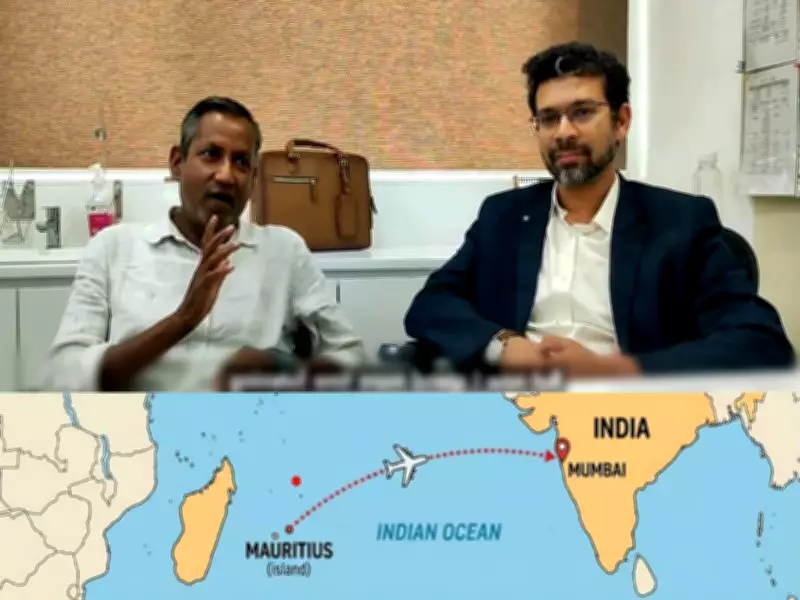
From Mauritius to Mumbai: How Indian CAR-T Therapy Restored a Life
In a remarkable medical breakthrough, a man from Mauritius has regained his life after undergoing a pioneering CAR-T cell therapy developed entirely in India. This success story highlights India's growing prowess in advanced medical treatments and its potential to offer affordable healthcare solutions globally.
The Journey of Hope and Healing
The patient, whose identity remains confidential for privacy reasons, traveled from Mauritius to Mumbai in search of a last-resort treatment for a severe form of cancer. After exhausting conventional options, he turned to the experimental CAR-T therapy, which involves genetically modifying a patient's own immune cells to target and destroy cancer cells.
This therapy, made in India, represents a significant leap in oncology. Developed by Indian researchers and medical institutions, it leverages cutting-edge biotechnology to provide a personalized treatment approach. The process begins with extracting T-cells from the patient's blood, engineering them in a lab to recognize cancer-specific antigens, and then infusing them back into the body to attack the disease.

Impact on Global Healthcare
The success of this case underscores several key points:
- Cost-Effectiveness: Indian-made CAR-T therapies are often more affordable than their Western counterparts, making advanced treatments accessible to a broader population.
- Innovation Hub: India is emerging as a hub for medical research, with institutions investing heavily in biotechnology and regenerative medicine.
- International Appeal: Patients from countries like Mauritius are increasingly looking to India for high-quality, cost-effective medical care, boosting medical tourism.
Experts note that this therapy could revolutionize cancer treatment in developing regions, where access to expensive therapies is limited. By reducing reliance on imports, India is not only saving lives domestically but also positioning itself as a leader in global health innovation.
Challenges and Future Prospects
Despite the success, challenges remain in scaling up CAR-T therapy production and ensuring regulatory approvals across countries. However, ongoing research and collaborations aim to address these hurdles, with a focus on improving efficacy and reducing side effects.
Looking ahead, this case sets a precedent for more such stories, as India continues to invest in healthcare infrastructure and research. It serves as a beacon of hope for patients worldwide, demonstrating that innovative, homegrown solutions can transform lives and redefine medical possibilities.






