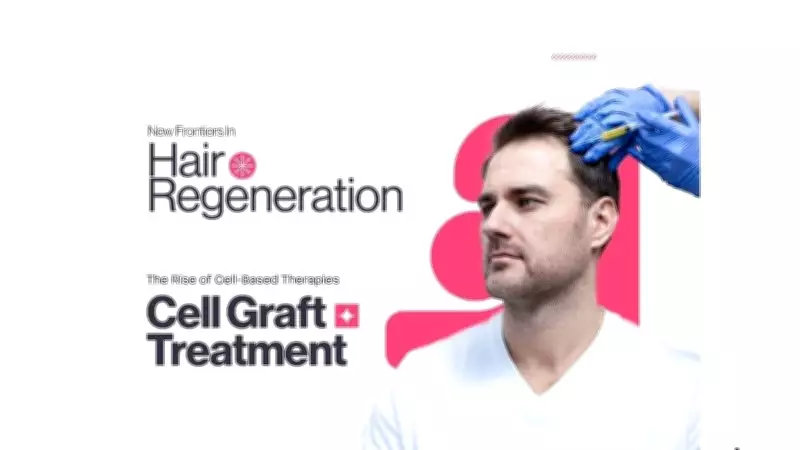
New Frontiers in Hair Regeneration: The Rise of Cell-Based Therapies
The field of hair regeneration is undergoing a transformative shift, with cell-based therapies emerging as a groundbreaking frontier in the treatment of hair loss. Traditional methods like medications and hair transplants are now being complemented by innovative approaches that harness the body's own biological mechanisms. This evolution marks a significant leap forward in medical science, offering new hope for millions affected by alopecia and other hair-related conditions.
Understanding Cell-Based Therapies
Cell-based therapies involve using living cells, such as stem cells or other specialized cells, to stimulate hair growth and repair damaged follicles. These therapies work by targeting the root causes of hair loss, including inflammation, hormonal imbalances, and genetic factors. Unlike conventional treatments that may only provide temporary relief, cell-based approaches aim to restore natural hair growth cycles through regenerative processes.
Key components of these therapies include mesenchymal stem cells (MSCs), which are derived from sources like bone marrow or adipose tissue, and exosomes, which are tiny vesicles that carry signaling molecules to promote cellular repair. By introducing these elements into the scalp, researchers and clinicians can activate dormant hair follicles and enhance the production of new hair strands.

Advancements and Clinical Applications
Recent advancements in cell-based therapies have led to the development of various techniques, such as platelet-rich plasma (PRP) injections, which use concentrated platelets from a patient's blood to stimulate growth, and more sophisticated methods involving cultured stem cells. Clinical trials have shown promising results, with many patients experiencing improved hair density and thickness over time.
For instance, studies indicate that therapies utilizing exosomes can reduce inflammation and promote angiogenesis, the formation of new blood vessels, which is crucial for nourishing hair follicles. This not only aids in hair regeneration but also improves overall scalp health, making it a holistic approach to treatment.
Benefits and Challenges
The rise of cell-based therapies offers several benefits, including:
- Minimally Invasive Procedures: Many of these treatments involve injections or topical applications, reducing the need for surgical interventions.
- Personalized Medicine: Therapies can be tailored to individual patients based on their specific hair loss patterns and biological profiles.
- Long-Term Solutions: By addressing underlying causes, these approaches may provide more sustainable results compared to temporary fixes.
However, challenges remain, such as high costs, regulatory hurdles, and the need for more extensive research to ensure safety and efficacy. As the field evolves, ongoing studies are focused on optimizing protocols and making these therapies more accessible to a broader population.
Future Prospects
Looking ahead, the future of hair regeneration appears bright, with cell-based therapies poised to revolutionize the industry. Innovations in biotechnology, such as gene editing and 3D bioprinting of hair follicles, could further enhance treatment outcomes. As awareness grows and technology advances, these therapies are expected to become a standard part of hair loss management, offering new avenues for those seeking effective and lasting solutions.
In summary, the rise of cell-based therapies represents a pivotal moment in hair regeneration, blending cutting-edge science with practical applications to combat hair loss. With continued research and development, these methods hold the potential to transform lives by restoring confidence and promoting healthier hair growth.