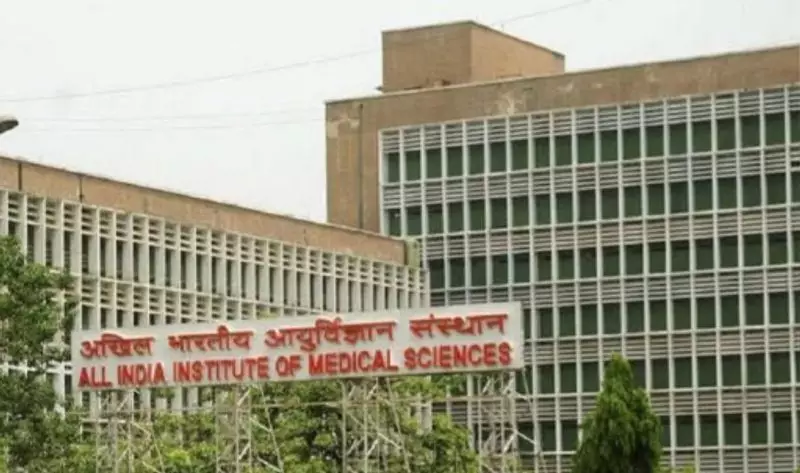
The Delhi Medical Council (DMC), the crucial regulatory body for medical practitioners in the national capital, has become virtually non-functional, creating a massive bottleneck for thousands of doctors trying to practice legally. This administrative paralysis has triggered urgent demands from resident doctors at AIIMS Delhi for immediate government intervention to revive the council and restore normal registration processes.
AIIMS Resident Doctors Sound the Alarm
The Resident Doctors' Association (RDA) of AIIMS Delhi has taken a firm stand against the ongoing crisis. In a strongly worded letter addressed to the Delhi Health Minister, the association highlighted the severe consequences of the DMC's inactive status. Over 5,000 doctors are currently unable to complete their essential medical registrations, creating legal and professional hurdles for healthcare providers across the city.
The RDA's communication specifically calls for the immediate election or nomination of new DMC members to restore the council's functionality. Without this crucial administrative body operating at full capacity, the entire medical registration system in Delhi has ground to a halt, affecting both new practitioners and those requiring license renewals.

The Root of the Registration Crisis
The current crisis stems from the DMC's inability to process registration applications efficiently. Medical registration with state councils is not just a formality—it's a mandatory requirement under the National Medical Commission (NMC) guidelines for any doctor wishing to practice medicine legally in India.
With the DMC essentially non-operational, doctors face multiple critical issues:
- Inability to obtain or renew essential medical licenses
- Legal complications regarding their right to practice medicine
- Difficulties in pursuing higher education and specializations
- Potential barriers to employment in healthcare institutions
The situation has become particularly dire for fresh medical graduates who cannot begin their medical careers without proper registration, and for experienced practitioners whose license renewals remain pending indefinitely.
Broader Implications for Delhi's Healthcare System
The DMC stalemate extends beyond individual doctor inconveniences to pose significant threats to Delhi's overall healthcare infrastructure. The council's dysfunction affects multiple aspects of medical governance, including:
Ethical oversight and disciplinary functions have been compromised, as the DMC cannot effectively address patient complaints or take action against medical malpractice while operating in this limited capacity. This regulatory vacuum potentially leaves patients without proper recourse for grievances.
Furthermore, the registration backlog could eventually contribute to workforce shortages in Delhi's hospitals and clinics if new doctors cannot enter the system legally. This comes at a time when the healthcare sector is still recovering from pandemic-related stresses and needs all available medical professionals.
The AIIMS RDA has emphasized that resolving this crisis is essential not just for medical practitioners but for maintaining high standards of patient care and medical ethics in the national capital. They have urged the Delhi government to treat this matter with utmost urgency to prevent further deterioration of medical services.
As the situation continues, the medical community awaits concrete action from health authorities to reconstitute the Delhi Medical Council and restore normal registration processes, ensuring that doctors can focus on their primary duty—patient care—without administrative obstacles.