

Patna: Early detection and timely treatment are crucial to reducing deaths from heart disease, cardiology experts said at a conference in Patna on Saturday, while calling for better facilities to diagnose and treat cardiac ailments in Bihar.
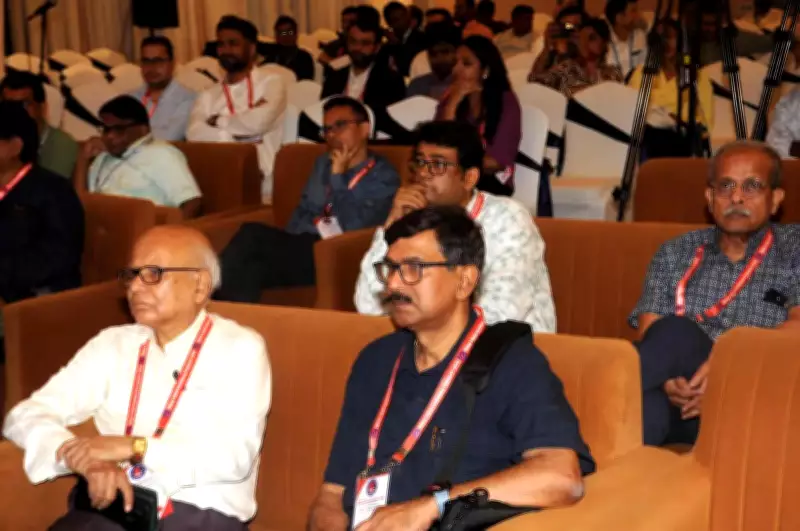
The message emerged at the 4th annual conference of the Cardiological Society of India (CSI), Bihar chapter, titled BIC 2026. The two-day conclave has brought together around 400 cardiologists and medical professionals from India and Nepal to discuss advances in interventional cardiology and their role in improving patient care.
High-Risk Groups Need Close Monitoring
Dr Amit Kumar Singh, an interventional cardiologist from Nepal, identified people with obesity, diabetes, hypertension and a history of heart disease as high-risk groups requiring close monitoring. “If you’re out of time, you’re out of treatment,” he said, stressing that the window for life-saving intervention in acute coronary syndromes is less than 12 hours.

Congenital Heart Disease Burden
Highlighting the burden of congenital heart disease, guest of honour Dr Raman Krishna Kumar, a paediatric cardiologist from Kochi, said, “In India, 2 to 2.5 lakh children are born with such diseases annually, particularly in states like Bihar because there are limited facilities to both identify children with heart diseases and take care of them.” He said inadequate detection and awareness remain major challenges and advocated the expansion of specialised public-sector facilities.
Rheumatic Heart Disease and Sudden Cardiac Arrests
President of the CSI Bihar chapter and head of the department of cardiac surgery at AIIMS Patna, Dr Sanjeev Kumar, said poor hygiene and low socioeconomic conditions contribute to rheumatic heart disease. “These affect the valves of the heart, showing effect in the second decade of life, mostly between 20-30 years of age, leading to cardiac problems,” he said. He also expressed concern over the rise in sudden cardiac arrests among people below 40 years of age.
Progress in Interventional Cardiology
Former director of Indira Gandhi Institute of Cardiology Dr SS Chatterjee said Bihar had made significant progress in interventional cardiology, with nearly 40 cath labs now operating across the state. However, he stressed the need to strengthen preventive cardiology alongside advanced treatment facilities.






