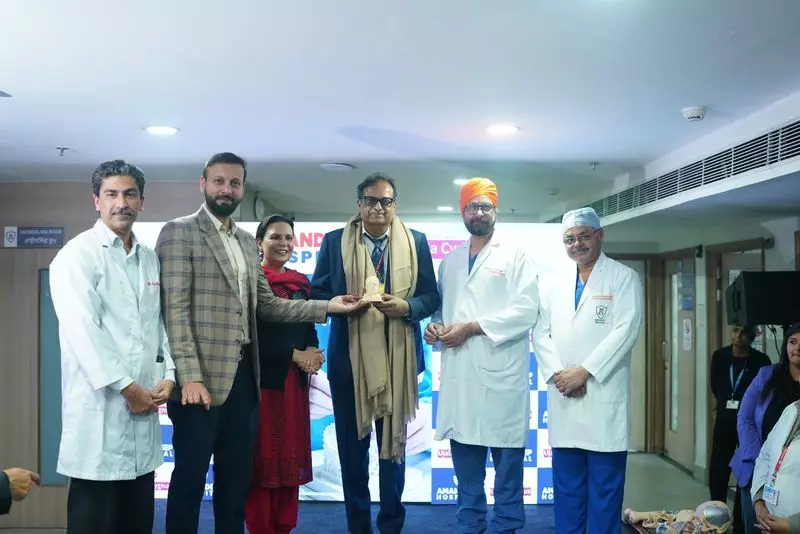
In a landmark development for medical technology in North India, Ivy Hospital in Amritsar has established a state-of-the-art, in-house 3D printing laboratory. This pioneering facility, the first of its kind in the region, is set to revolutionize surgical planning and patient outcomes for complex procedures, particularly in orthopedics and oncology.
A New Era of Precision Surgery
The hospital officially inaugurated this advanced unit on Monday, marking a significant leap in patient care. The core function of this 3D printing lab is to create highly accurate, patient-specific anatomical models. Using data from CT and MRI scans, the technology can produce tangible, three-dimensional replicas of a patient's bones, joints, or tumors.
Dr. Kanwaldeep Singh, the Senior Consultant Orthopedic Surgeon who is spearheading this initiative, explained the profound impact. "Surgeons can now physically hold and examine a precise model of the affected area before entering the operating theater," he stated. This allows for meticulous pre-operative planning, including the pre-selection and bending of implants like plates and screws to perfectly match the patient's anatomy. The benefits are substantial:

- Enhanced Surgical Accuracy: Procedures become more predictable and precise.
- Reduced Operation Time: Pre-planning can significantly cut down time under anesthesia.
- Minimized Risk: Better planning leads to fewer complications and less blood loss.
- Improved Patient Understanding: Patients can see and comprehend their condition and the proposed surgery, leading to informed consent.
Transforming Orthopedic and Cancer Care
The applications of this medical innovation are vast and transformative. In orthopedics, it is invaluable for planning surgeries for complex fractures, severe joint deformities, and revision joint replacements. For cancer patients, especially those with bone tumors, the technology enables surgeons to visualize the exact extent of the tumor and plan its precise removal while conserving as much healthy bone as possible.
Dr. Singh highlighted a critical advantage: "In cancer surgery, achieving clear margins is paramount for preventing recurrence. With a 3D model, we can strategize the resection with unparalleled accuracy, aiming for the best possible oncological and functional outcome." The hospital has already successfully utilized this technology for several complex cases, demonstrating its practical utility and immediate benefits to patient care.
Future Prospects and Broader Impact
The launch of this facility positions Ivy Hospital, Amritsar, at the forefront of surgical planning technology in Punjab and beyond. The move is aligned with the growing global trend of adopting additive manufacturing in healthcare to provide personalized and precision-based treatment.
Looking ahead, the potential extends beyond creating models. The technology paves the way for the future fabrication of custom, patient-specific implants and prosthetics on-site. This capability could drastically reduce costs and waiting times compared to importing such devices.
This initiative by Ivy Hospital is more than just an infrastructure upgrade; it represents a fundamental shift in approach. By integrating advanced 3D printing directly into the clinical workflow, the hospital is setting a new standard for healthcare in Amritsar. It promises not only to enhance surgical success rates but also to improve overall patient experience, making high-precision, personalized care accessible in the region. This development is a testament to how technological adoption can directly translate to better, safer, and more efficient healthcare delivery.