AIIMS Mangalagiri Enhances Blood Safety with Cutting-Edge Diagnostic Systems
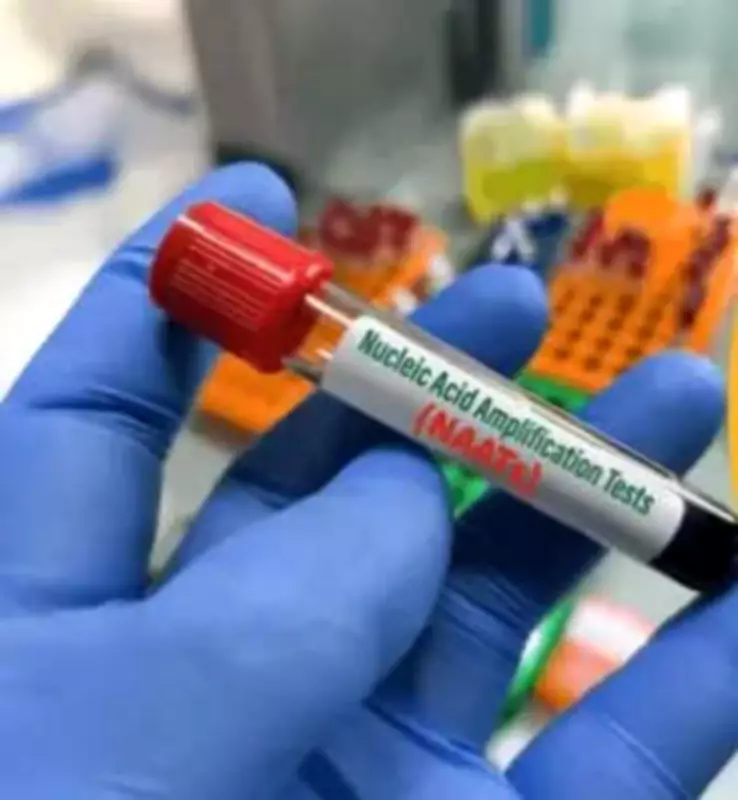
In a major advancement for healthcare infrastructure in Andhra Pradesh, AIIMS Mangalagiri is poised to inaugurate two state-of-the-art diagnostic systems aimed at significantly strengthening blood safety protocols. The new installations include a nucleic acid amplification testing (NATS) system and an advanced transfusion transmissible infections (TTI) screening system, marking a pivotal upgrade in the institute's diagnostic capabilities.
Revolutionary NATS System for Early Infection Detection
The introduction of the NATS system represents a critical leap forward in diagnostic technology. This innovative system enables the early detection of viral genetic material, such as RNA and DNA, which substantially reduces the window period—the time between infection and its detectability through conventional testing methods. It is particularly effective in identifying life-threatening infections like HIV, hepatitis B, and hepatitis C at much earlier stages, thereby enhancing patient safety and treatment outcomes.
According to authorities from the department of transfusion medicine and hemotherapy at AIIMS Mangalagiri, the NATS machine, procured for Rs 1.73 crores, is the first of its kind among all AIIMS institutions in South India. Additionally, it stands as the inaugural ID NATS testing machine in Andhra Pradesh, underscoring its regional significance and pioneering role in medical diagnostics.

Automated TTI Screening for Rapid Results
Complementing the NATS system, the new TTI screening system is fully automated and delivers donor testing results within an impressive 30 minutes. Hospital authorities emphasized the importance of this rapid turnaround, especially in emergency situations involving patients with rare blood types. "This is very important, especially when a patient's blood group is rare, and a blood donor comes at request, and the patient requires it on an emergency basis. The NATS system acts as a second layer of safety in reducing the window period," they stated.
Elaborating on the current diagnostic processes, the authorities noted that until now, the blood centre has relied on manual ELISA machines for testing donors for infections like HIV, hepatitis B, and C using fourth-generation kits, a process that typically takes 5 to 8 hours. In contrast, the new ID NATS system reduces the window period to approximately 2-3 days for HIV, 10 days for HBV, and 1 day for HCV, significantly improving efficiency and accuracy.
Commitment to Free and Advanced Blood Services
AIIMS Mangalagiri reaffirmed its commitment to providing blood and blood components free of cost, now enhanced with these sophisticated testing systems. This initiative aligns with the standards set by AIIMS, New Delhi, ensuring that patients receive high-quality, safe blood transfusions without financial burden. The integration of these advanced diagnostic tools is expected to set a new benchmark in blood safety across the region, contributing to better healthcare outcomes and reinforcing the institute's role as a leader in medical innovation.