Uttar Pradesh Government Charts Ambitious Path for Technology-Driven Healthcare Transformation
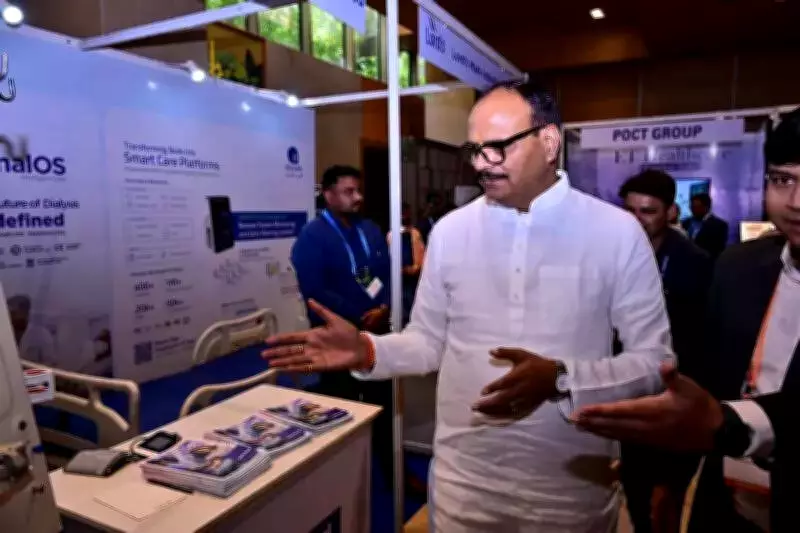
In a significant address at the UP Healthcare Conclave 2026 organized by The Economic Times in Lucknow on Wednesday, Deputy Chief Minister Brajesh Pathak detailed the state government's comprehensive strategy to revolutionize healthcare delivery. The administration is firmly focused on establishing a robust, technology-driven, and affordable health infrastructure across Uttar Pradesh, supported by a well-trained workforce and a technically-equipped primary healthcare system.
Artificial Intelligence at the Core of Healthcare Evolution
Pathak emphasized that discussions at the high-profile conference centered on pivotal themes including artificial intelligence, accessibility, and affordability. He articulated a clear vision where AI holds transformative potential for the healthcare sector, particularly in areas such as early disease detection, data-driven decision-making processes, and enhancing the overall quality of medical treatment.
The Uttar Pradesh government is actively committed to integrating AI and advanced digital technologies into the fabric of healthcare delivery. "We are developing sophisticated systems where policymaking is meticulously guided by data analytics, resources are utilized with maximum efficiency, and quality healthcare reliably reaches the last person in the queue," Pathak stated during his keynote speech.

Strengthening Primary Healthcare and Preventive Measures
A major pillar of the state's strategy involves reinforcing the primary healthcare framework. Through an extensive network of health and wellness centers, Uttar Pradesh is systematically working to shift the healthcare paradigm from a sole focus on treatment to a balanced approach that equally prioritizes prevention.
With the escalating burden of non-communicable diseases—including cancer, diabetes, and cardiovascular conditions—the government has significantly strengthened screening programs and streamlined timely treatment systems. Pathak highlighted that cancer care infrastructure is being substantially expanded across the state, ensuring patients no longer need to depend solely on treatment facilities in larger metropolitan areas. The overarching aim is to guarantee that all citizens can access high-quality medical treatment closer to their homes, reducing travel burdens and improving outcomes.
Investing in Human Resources and Skill Development
Deputy CM Pathak underscored the critical role of human resources, noting that the success of any healthcare system depends not merely on buildings and machines but fundamentally on trained, skilled personnel. Consequently, the government is placing special emphasis on the training and skill development of doctors, nurses, and paramedical staff.
Specific policies are being implemented to ensure the consistent availability of qualified healthcare workers in remote and underserved areas, addressing a key challenge in rural healthcare delivery.
Fostering Collaboration for Broader Impact
Pathak remarked that the conclave provided a vital platform to strengthen collaboration between government bodies, industry leaders, and academic institutions. He expressed confidence that the deliberations and partnerships forged at the forum would generate innovative, scalable solutions benefiting not only Uttar Pradesh but also contributing to the advancement of India's entire healthcare sector.
"Our goal is unequivocally clear—to build a healthcare system that is universally accessible, genuinely affordable, and resilient in every conceivable situation," Pathak declared. "Uttar Pradesh is firmly committed to playing a pivotal role in achieving the national vision of Viksit Bharat 2047."