Tamil Nadu Makes Strides Toward Malaria Elimination Target
The Tamil Nadu health department has announced a major achievement in its fight against malaria. The state has successfully reduced malaria cases to a new low, bringing it closer to the World Health Organization's goal of eliminating the disease by 2030.
Zero Indigenous Cases in Most Districts
Out of the state's 38 districts, an impressive 33 have reported zero indigenous malaria cases over the past three years. This means no local transmission of the disease occurred in these areas during this period.
Dr. A. Somasundaram, Director of Public Health, clarified the current status. "Eradication, which means recording zero cases overall, remains a distant goal. However, we are moving closer to the elimination phase," he explained. "There is no disease caused by local transmission currently. The positive cases we do see involve people with travel histories from other regions."

Verification Process and Remaining Challenges
From January 19 to 21, Tamil Nadu will host an all-India conference for states and Union territories. During this meeting, a central team from the National Vector Borne Disease Control Programme will review district-level malaria elimination efforts.
This verification process will determine whether the 33 districts qualify for formal malaria elimination certificates. Five districts still face challenges:
- Chennai
- Tuticorin
- Chengalpet
- Salem
- Ramanathapuram
These areas are classified as Category 1, where health authorities have recorded both local transmission and imported cases.
Case Numbers and Imported Infections
The state recorded 321 malaria cases in 2025, resulting in two deaths. Dr. Somasundaram noted that more than 200 of these cases were imported from other Indian states like Odisha and Jharkhand, or from countries including South Sudan and Nigeria.
Factors Behind the Decline
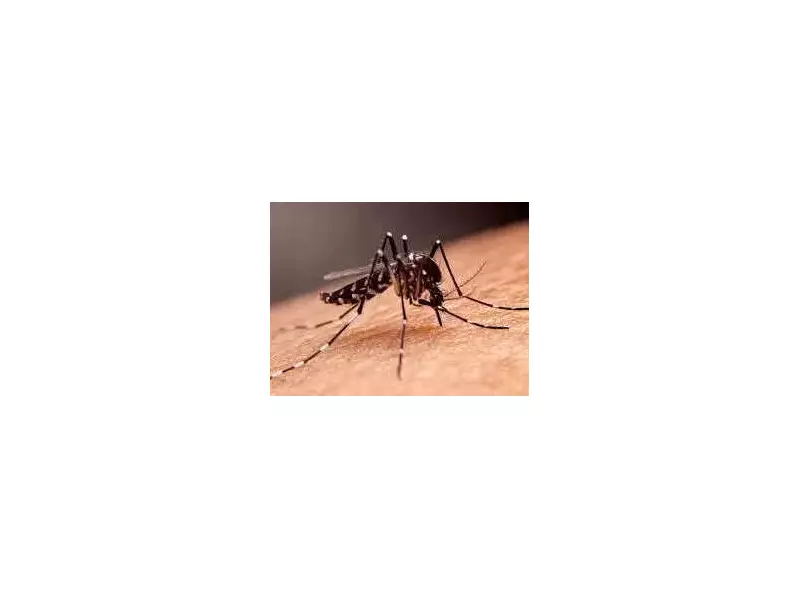
Health officials credit the decline in malaria cases to sustained surveillance and preventive measures. These efforts specifically target the Anopheles mosquito, which transmits malaria and breeds in freshwater sources such as wells.
Dr. S. Selva Kumar, GCC Vector Control Officer, highlighted changing mosquito patterns. "The breeding grounds for Anopheles mosquitoes are shrinking due to various factors, including greater public awareness," he said. "An important development is the increasing population of Aedes mosquitoes, which cause dengue fever."
The state's comprehensive approach combines monitoring, prevention, and public education to combat vector-borne diseases effectively.