

Rajasthan, NHM, and Japaigo Forge Partnership to Elevate Maternal and Child Health Services
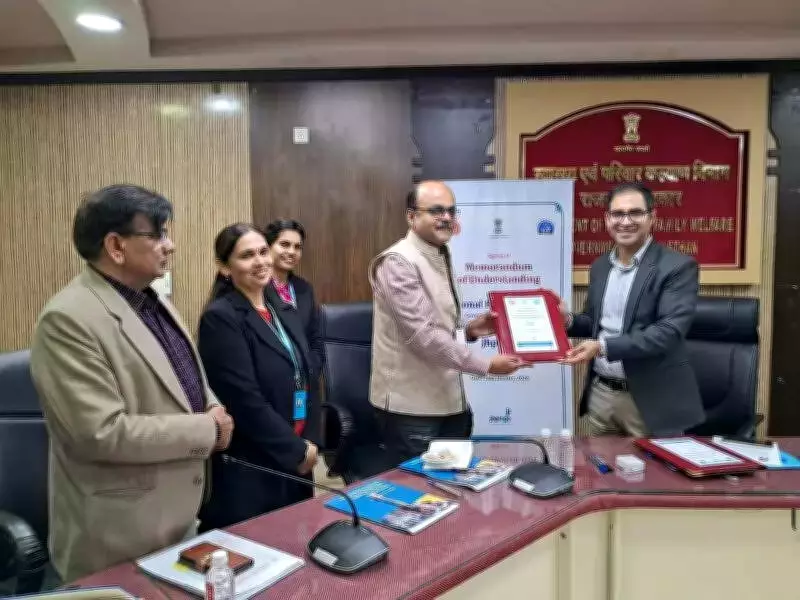
In a significant move to bolster healthcare services across Rajasthan, a Memorandum of Understanding (MoU) was inked in Jaipur on Wednesday. The agreement involves the National Health Mission (NHM), the Government of Rajasthan, and the Johns Hopkins Programme for International Education in Gynecology and Obstetrics, commonly known as Japaigo. This collaboration is set to focus on strengthening maternal, newborn, infant, and adolescent health and nutrition services throughout the state.
Key Objectives of the MoU
The MoU outlines several critical initiatives aimed at transforming healthcare delivery. Firstly, it seeks to enhance antenatal and postnatal care, ensuring that pregnant women and new mothers receive comprehensive support. Secondly, the partnership will introduce AI-based classification systems to identify high-risk pregnancies more accurately, allowing for timely interventions and improved outcomes. Additionally, efforts will be made to scale up the correct use of Ferric Carboxymaltose, a key treatment for managing anemia during pregnancy, which is a prevalent issue in the region.
Technological Integration and Digitization
Beyond medical interventions, the MoU emphasizes the importance of technology in modernizing healthcare. Support will be provided to digitize various health services, streamlining processes and making them more accessible to the public. This digitization drive is expected to improve data management, facilitate better tracking of patient health, and enhance overall service efficiency. By leveraging digital tools, the initiative aims to create a more robust and responsive healthcare system in Rajasthan.

Impact on Public Health in Rajasthan
This partnership marks a proactive step towards addressing long-standing health challenges in Rajasthan. With a focus on maternal and child health, the collaboration is poised to reduce mortality rates and improve nutritional outcomes. The integration of AI and digitization not only promises to make healthcare more precise but also more equitable, reaching underserved communities. As the MoU is implemented, it is anticipated to set a benchmark for similar initiatives across India, showcasing how technology and international expertise can drive positive change in public health.






