

KMC-RI Deploys QR Code Security to Enhance Hospital Safety in Hubballi
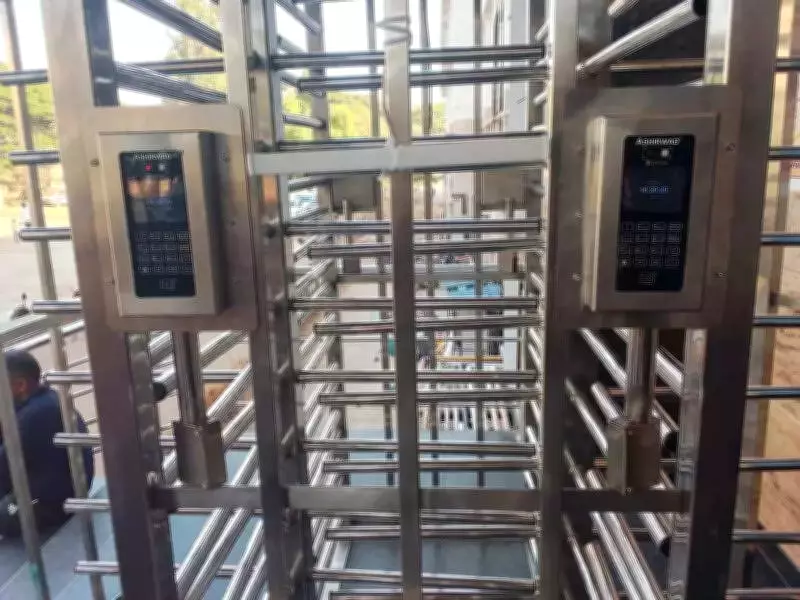
In a significant move to bolster security and streamline visitor management, the Karnataka Medical College–Research Institute (KMC-RI) has launched a QR code-based security system at its mother and child health department in Hubballi. This innovative initiative aims to regulate crowd movement and mitigate risks such as child abduction, according to hospital officials.
Pilot Program Successfully Implemented
The system was introduced on a pilot basis at the main entrance of the department, which experiences heavy daily footfall due to an average of 30–35 delivery cases. Officials reported that the first phase of the trial has been successful, with the new gate controlling entry and exit to help hospital authorities monitor visitors more effectively and ensure safety within the premises.
Addressing Security Challenges
Prior to the implementation, the hospital faced significant challenges with crowd control. A source from KMC-RI revealed that some attendants threatened security guards and forcibly entered wards, leading to situations that spiraled out of hand. Since the QR code technology was installed 20–25 days ago, managing crowds has become notably easier, providing a more secure environment for patients and staff.

How the QR Code System Works
Dr. Ishwar Hasabi, the medical superintendent, explained that the system operates similarly to the HD-BRTS ticket model. When patients with maternity or other medical conditions are admitted as inpatients, they are allowed to enter the ward with an assistant. This assistant receives a pass with an affixed QR code. For normal deliveries, a 3-day pass is issued, while caesarean deliveries warrant a 7-day pass. Each time the assistant enters or exits, the QR code on the pass must be shown to a sensor machine at the gate.
The information in the QR code is recorded in the sensor machine, allowing the gate to open upon verification. This process must be followed both when entering and exiting. If a pass is given to someone outside and attempted to be used again, the sensor will detect that the original holder is already inside, thereby denying entry to the second person and preventing unauthorized access.
Investment and Future Plans
Dr. Hasabi noted that the QR code gate and accompanying software were installed at a cost of Rs 7 lakh. The implementation has proven effective in controlling overcrowding, and there are plans to expand the system to PMSSY wards in the coming days, further enhancing security and operational efficiency across the hospital.






