

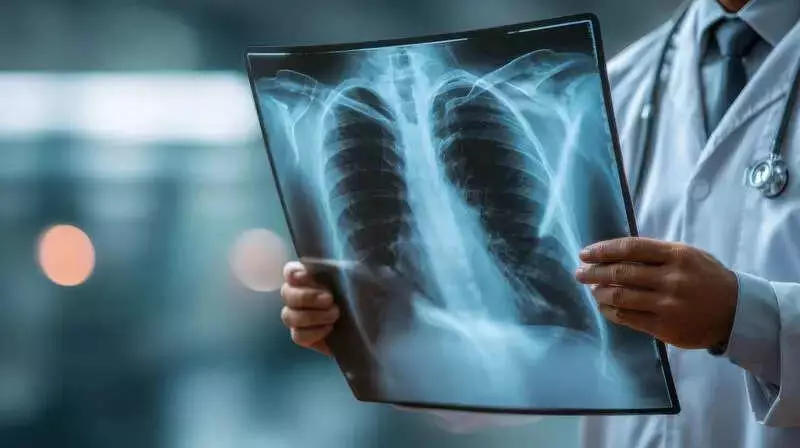
The Punjab government has taken a decisive step to address critical gaps in its public healthcare system. Faced with severe shortages of advanced diagnostic equipment in state-run hospitals, authorities have launched a major public-private partnership initiative.
Bringing Advanced Diagnostics to District Hospitals
Many government hospitals across Punjab currently lack basic MRI and CT scan facilities. This forces patients to travel long distances or pay high fees at private centers for essential tests. The new PPP arrangement aims to change this reality by making vital diagnostic services more accessible and affordable for everyone.
Three Clusters, Nine District Hospitals
The project will roll out through three carefully planned clusters. Each cluster will cover three district hospitals and one sub-divisional hospital. The government has allocated approximately 26 crore rupees for each cluster to support equipment installation and operations.

Cluster 1 will center around Hoshiarpur. It includes district hospitals in Hoshiarpur, Nawanshahr, and Kapurthala. Each will receive one MRI scanner. The sub-divisional hospital in Dasuya will get a CT scanner.
Cluster 2 focuses on Ferozepur. District hospitals in Fazilka, Muktsar, and Ferozepur will each receive MRI scanners. The SDH in Abohar will be equipped with a CT scanner.
Cluster 3 revolves around Barnala. District hospitals in Faridkot, Barnala, and Mansa will each get MRI machines. The sub-divisional hospital in Malout will receive a CT scanner.
How the Partnership Will Work
Under this PPP framework, selected private laboratories will shoulder significant responsibilities. They will establish complete radiology imaging diagnostic centers in each designated hospital. This includes financing the entire project, installing equipment according to strict specifications, and operating and maintaining facilities year-round.
The centers will remain open 24 hours a day, seven days a week. Staffing requirements ensure proper medical supervision. Each cluster will have at least one radiologist physically present at the headquarters center from 8 AM to 6 PM. Radiologists will remain on call during other hours. Teleradiology services will support other centers within the cluster.
Every scanner will have dedicated support staff available around the clock. This includes at least one radiographer or technician and one attending nurse. To guarantee efficient service, scanned images must be made available within 45 minutes of the procedure.
Clear Timelines for Patient Reports
The government has established strict reporting deadlines to prevent delays. For regular cases scanned before 2 PM, reports must be ready within six hours. Scans conducted after 2 PM must have reports issued by 10 AM the next day. Emergency cases will receive their reports within just two hours of scanning.
Patients will receive a specified minimum number of films with their scans. Digital copies will be provided upon request in a secure, accessible format. If any films come out with poor quality, replacements will be provided at no extra charge.
Ensuring Affordability and Accountability
User charges will remain uniform across all centers. They will be calculated by applying a quoted discount to the prevailing CGHS Chandigarh rates for diagnostic services. The centers will serve both government-referred patients and private walk-ins.
To protect economically weaker patients, each center will provide free services for up to 5% of its total monthly cases. Authorized officials like district health officers or senior medical officers will designate these cases. Any surplus or shortfall in free cases will carry forward to the next financial year.
Performance Monitoring
The government will closely monitor service quality through key performance indicators. These will track:

- Availability of trained personnel
- Staff attendance records
- Equipment downtime
- Report turnaround times for both emergency and non-emergency cases
The Punjab Health Systems Corporation issued the request for proposal that set this ambitious project in motion. This initiative represents a significant investment in making advanced healthcare diagnostics a reality for patients across Punjab's government hospital network.





