Karnataka Expands Free Menstrual Cup Distribution to All Government Schools
The Karnataka government recently announced a major sustainability initiative. It will distribute more than 10 lakh menstrual cups free of cost to adolescent girls across the state. This program targets students in classes 9 to 12 who attend government schools, government-aided schools, or live in government hostels.
The distribution falls under the state's Shuchi scheme for the academic year 2025–26. Officials aim to promote reusable menstrual products and reduce environmental waste from disposable pads.
Overcoming Stigma Through Education and Counseling
Health department authorities recognize significant challenges with the rollout. Many girls and their families still feel apprehension about using menstrual cups. Stigma and myths surrounding virginity and the hymen create major barriers to adoption.

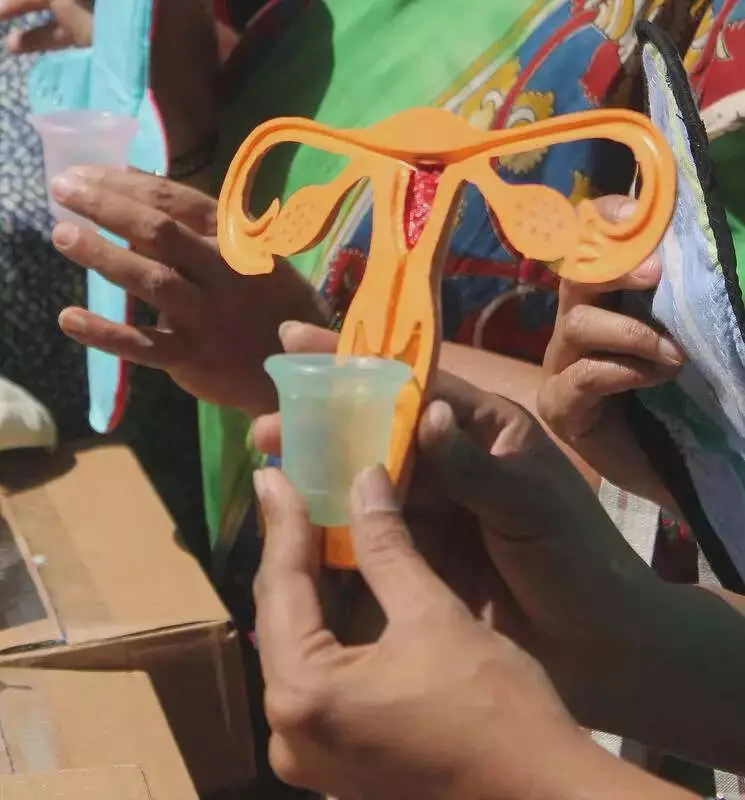
The health department now plans extensive Information Education and Communication programs. These IEC initiatives will provide crucial guidance on proper cup usage, hygiene, and storage.
"We realized that across the state, younger girls will need a lot of hand-holding, as it is an entirely new concept to them. We need to counsel their mothers too," said a senior health department official.
Officials note a clear urban-rural divide in acceptance. Girls in urban areas show more receptiveness to menstrual cups compared to adult women. In rural areas, however, girls express greater apprehension about inserting the cups.
Focus on Hygiene and Safe Usage Practices
Proper hygiene represents another critical concern with menstrual cup usage. The cups require sterilization in hot water after every menstrual cycle. Users must dry them completely and store them in a dry place to prevent bacterial growth.
Gurudatta Hegde, commissioner of the health department, emphasized the educational component. "We need to introduce comprehensive IEC programmes which include demos in schools and educational videos on social media. Along with usage, we also want to concentrate on teaching girls how to wash and store the cup after every period," Hegde told reporters.
The statewide expansion follows successful pilot programs in Dakshina Kannada and Chamarajanagar districts. Those earlier initiatives helped officials understand the specific educational needs for broader implementation.
Experts Emphasize Counseling and Myth-Busting
Medical experts commend the government's decision while stressing the importance of meticulous counseling. They highlight the need for behavioral change programs, especially for younger girls who are not sexually active.
Dr. Hemavathi Srinivasan, an obstetrician and gynaecologist at Srinivasa Health Centre, explained the primary challenge. "The main challenge lies in convincing the mothers of the children. To this day, many families are still concerned about the ‘rupturing of the hymen' and ‘virginity'. They need to be educated that these concepts are myths," she said.
Dr. Srinivasan clarified that not just menstrual cup insertion but everyday activities like cycling or swimming can affect the hymen. She also noted that in her practice, approximately 10–20% of her student patients have successfully transitioned to using menstrual cups.
Progressive Step for Health and Environment
Ira Guha, founder of Asan, a social enterprise working to end period poverty, welcomed the government's move. She called it a progressive step that follows Karnataka's recent introduction of paid menstrual leave.
"Not only are menstrual cups cheaper and more eco-friendly than pads, but they can also lead to better health outcomes," Guha stated.
She referenced a 2024 study of schoolgirls in Kenya that showed menstrual cup use can reduce bacterial vaginosis, a common vaginal infection.
Guha recommended several measures for successful program implementation:

- Provision of good-quality menstrual cups
- Involving mothers in education programs
- Creating digital content in local languages
- Developing a cohort of menstrual cup ambassadors
- Respecting users' freedom of choice
The Karnataka government's initiative represents a significant investment in menstrual health education and sustainable period care. Its success will depend heavily on the accompanying educational campaigns and community acceptance across the state's diverse regions.