

In a significant move to bolster healthcare services, the health department in Jaipur has officially unveiled its ambitious 2026 strategic plan aimed at strengthening healthcare infrastructure and enhancing service delivery across the region. This comprehensive blueprint outlines a series of targeted initiatives designed to address critical gaps and elevate the quality of medical care for residents.
Key Infrastructure Upgrades and Hospital Expansions
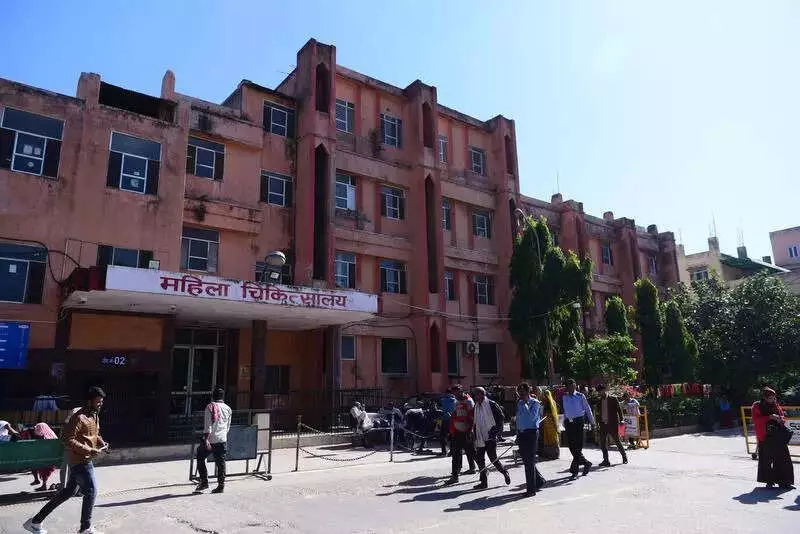
The plan prioritizes the operationalization of key facilities, with a specific focus on making functional the IPD towers at Mahila Chikitsalaya located at Sanganeri Gate and Zenana Hospital in Jaipur. These upgrades are expected to significantly improve inpatient care capacities and streamline patient management systems.
New Medical Facilities and Training Centers
As part of the infrastructure push, the department will operationalize 20 newly constructed hospitals that are linked with RajMES medical colleges. These facilities are intended to support both undergraduate and postgraduate medical training, fostering a robust educational ecosystem for future healthcare professionals.

Additionally, the establishment of 12 nursing colleges is on the agenda, complete with required staffing, state-of-the-art equipment, and comprehensive learning resources. This initiative aims to address the shortage of skilled nursing personnel and enhance the overall quality of patient care.
Critical Care and Specialized Institutes
To expand critical care services, the department will commission 22 Critical Care Blocks. These blocks are designed to increase the availability of ICU beds, advanced diagnostics, and emergency care facilities, ensuring timely interventions for severe medical cases.
In a landmark development for Jaipur, the plan includes the establishment of a national-level Institute of Cardiology. This institute will be equipped with advanced medical facilities and will offer specialized training programmes, positioning Jaipur as a hub for cardiac care and research.
Maternal and Child Health Initiatives
On the maternal health front, the department has set ambitious targets, including achieving more than 80% ANC (Antenatal Care) registration within the first 12 weeks of pregnancy and ensuring over 85% coverage of four essential ANC check-ups. Strengthening haemoglobin testing for all pregnant women and pushing for 100% institutional deliveries, with a particular focus on high-risk pregnancies, are key components of this strategy.
A health department official emphasized, "It is also targeting to bring into operation at least 30 additional First Referral Units in 2026 to back up timely referrals and emergency obstetric care." These units are crucial for reducing maternal mortality and improving outcomes in obstetric emergencies.
Child Health and Immunisation Goals
For child health, the department is targeting 90% full immunisation coverage and plans to scale up newborn care services across the region. Intensified campaigns for the prevention of diarrhoea and pneumonia will be launched to reduce childhood morbidity.
Furthermore, annual Rashtriya Bal Swasthya Karyakram screenings will be conducted in schools and Ayushman Wellness Centres (AWCs), alongside comprehensive newborn screening programmes. These efforts aim to ensure early detection and management of health issues in children.
Improving Access to Medicines
To enhance access to affordable medicines, the department will set up Jan Aushadhi Kendras in government hospitals at all district headquarters. These kendras are expected to provide generic drugs at subsidized rates, making essential medications more accessible to the public.
Additionally, the plan includes conducting regular medicine availability audits and introducing robust supply monitoring mechanisms. These steps are designed to ensure a consistent and reliable supply of medicines, preventing stock-outs and improving patient adherence to treatment regimens.
Overall, the 2026 plan represents a holistic approach to healthcare reform in Jaipur, addressing infrastructure, maternal and child health, and medicine accessibility to create a more resilient and efficient healthcare system.






