

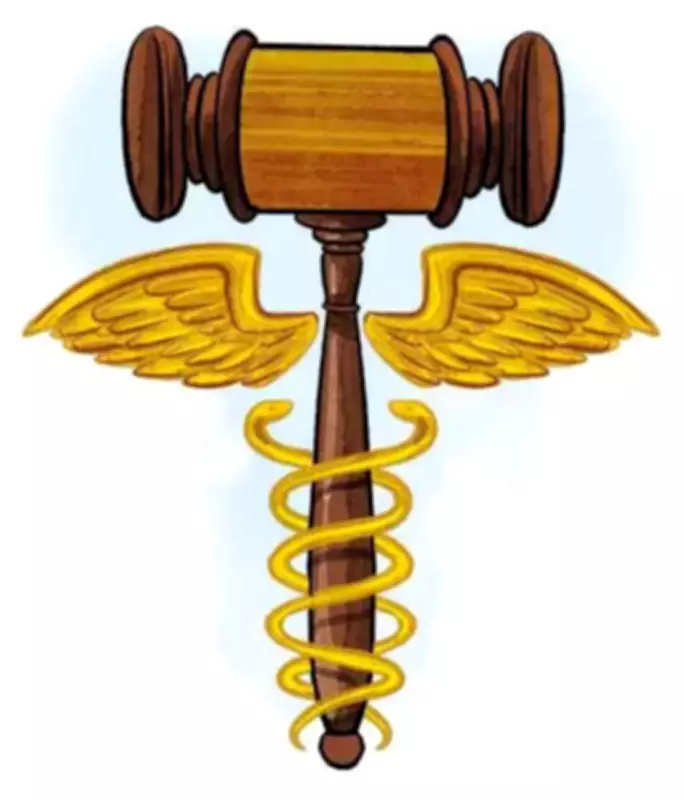
Family Files Police Complaint Over Alleged Medical Negligence at Konni Government Hospital
A distressing case of alleged medical negligence has emerged from Kerala's Kottayam district, where the family of a 14-year-old boy has lodged a formal complaint with Konni police. The family claims that their son, Tanseer S, a resident of Aruvappulam in Konni, suffered severe health consequences due to improper treatment at the Konni Government Medical College Hospital (MCH).
Details of the Alleged Negligence
According to the complaint, Tanseer was treated for a fractured arm at the government hospital for approximately two-and-a-half months. The head of the orthopaedics department oversaw his care, which included surgery performed in November of last year. Following the procedure, a plaster cast was applied to stabilize the arm during the healing process.
The critical turning point occurred on February 2, when the plaster was removed. To the family's shock and dismay, they discovered that the arm had become deformed, contrary to expectations of recovery. This development prompted immediate concern and led to further medical intervention.

Family's Response and Subsequent Treatment
Faced with the deformity, the family made the decision to transfer Tanseer to a private hospital for specialized care. At the private facility, medical professionals determined that another surgery was necessary to correct the issue. Tanseer's father, Shahajaham, confirmed that the corrective surgery was successfully performed on February 17, offering a glimmer of hope amid the ordeal.
"The family's swift action in seeking alternative treatment highlights their desperation and loss of trust in the initial healthcare provider," noted a local health advocate familiar with the case.
Hospital's Defense and Official Statement
In response to the allegations, the superintendent of Konni Government Medical College Hospital firmly denied any instances of medical negligence. The superintendent provided a detailed explanation, stating that such outcomes can occasionally occur in paediatric orthopaedic cases due to the unique nature of growing bones and healing processes in children.
The hospital administration emphasized that all standard protocols were followed during Tanseer's treatment. X-rays taken throughout the treatment period showed no abnormalities, according to the superintendent, suggesting that the deformity might have developed as an unforeseen complication rather than a result of negligence.
Furthermore, the superintendent assured that the grafting procedure performed at the private hospital could have been conducted at the medical college as well. "The family opted to seek treatment at a private hospital of their own volition," the superintendent added, implying that the hospital was prepared to address any complications that arose.
Broader Implications and Community Concern
This incident has sparked discussions about patient safety and accountability in government healthcare facilities. Key points of concern include:
- The adequacy of follow-up care and monitoring in paediatric orthopaedic cases.
- The communication between healthcare providers and patients' families regarding potential risks and outcomes.
- The mechanisms in place for addressing medical grievances and ensuring transparency in treatment outcomes.
As the police investigate the complaint, the case underscores the need for robust systems to prevent similar occurrences and to build public confidence in government medical institutions. The family's pursuit of justice through legal channels reflects a growing trend of patients and their families advocating for higher standards of care.






