

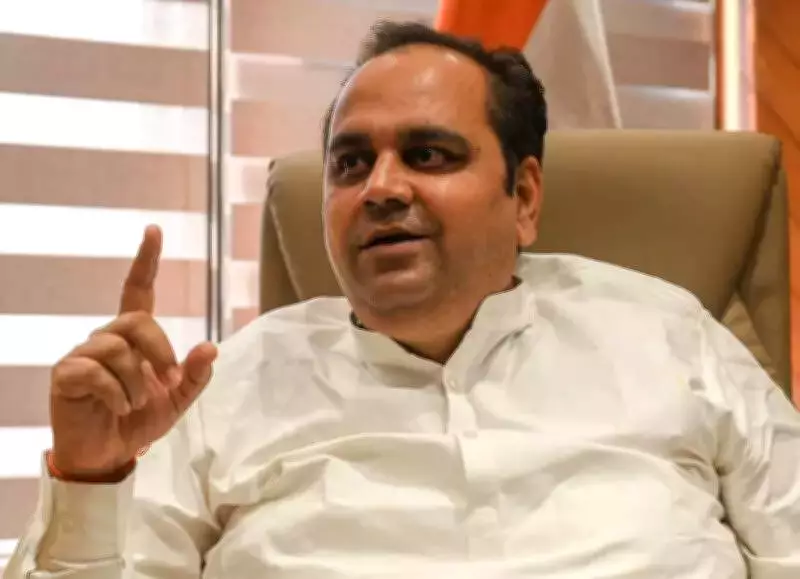
Delhi Minister Pankaj Kumar Singh Reflects on Year of Health and Infrastructure Advancements
One year after pledging to enhance last-mile connectivity, public transport, and health facilities, Delhi Minister Pankaj Kumar Singh has provided a comprehensive update on the city's progress. In an exclusive interview, he outlined key projects that have already impacted residents and shared ambitious plans for the coming months, addressing critical areas from healthcare to transportation.
Transforming Delhi's Healthcare Landscape
When I assumed responsibility for the health department, the situation was dire, Singh recounted. Hospitals suffered from shortages of drinking water, medicines, and staff, including nurses and doctors, while construction projects languished for over five years. His administration prioritized implementing the Ayushman Bharat scheme, previously blocked, which now covers approximately 10 lakh people, with over 30,000 receiving treatment.
Additionally, defunct tin box mohalla clinics were replaced with structured Ayushman Arogya Mandirs, focusing on primary healthcare and offering more than 80 medical tests. This initiative aims to improve early diagnosis and reduce hospital overcrowding by providing screening near patients' homes, Singh explained. Efforts to combat tuberculosis have screened over 10.7 lakh individuals, including 4.5 lakh in slums, earning recognition from the central government.

Central procurement systems were introduced to ensure better pricing, improved quality, and timely medicine supply, resulting in cost savings. To maintain hospital hygiene, color-coded bedsheets were implemented for specific days.
Engaging Private Hospitals and Expanding Infrastructure
Regarding private hospital empanelment under Ayushman Bharat, Singh noted initial hesitancy due to past payment delays, especially among smaller facilities. However, hospitals are now joining the fold, he said, with Fortis expected to be empaneled soon and Balaji already added. Talks are ongoing with Max, Maharaj Agrasen, and others. Priority has been given to smaller hospitals, as they are often the first point of contact in emergencies and cannot afford reimbursement risks, Singh emphasized.
Infrastructure projects include upcoming tenders for 12 MRI, 20 CT scan, and 30 ultrasound machines across government hospitals. A significant achievement is the establishment of a neuro-cath lab at GB Pant Hospital, enabling public access to high-end neurological interventions. Dialysis services have expanded with 150 new machines installed.
Addressing Mental Health and Pollution Concerns
Mental health initiatives involve setting up at least one dedicated brain health or mental health clinic in every district hospital, exemplified by the new clinic at Indira Gandhi Hospital. Our goal is to ensure accessible, specialized mental health services in all districts, Singh stated. Integration of traditional approaches like panchakarma therapy, yoga, meditation, and counseling is underway, overseen by an Ayurvedic society deploying trained therapists across 12 districts.
On air pollution-related ailments, Singh assured that transport sector emissions will be addressed, though specifics were not detailed.
Revamping Public Transport and Introducing EV Policy
To combat private vehicle growth, Singh highlighted the introduction of 7-metre buses, including more Devi buses, which have attracted two-wheeler users. I have observed this shift firsthand, he noted. Metro expansion, stalled for two years, will resume. A policy to regulate e-rickshaws is in development, requiring registration to curb illegal operations and congestion.
New 7-metre luxury buses seating 18 people are planned to entice car users with enhanced comfort. I personally encourage everyone to utilize these services, Singh urged. Regarding bus accidents, he acknowledged a few incidents but noted a significant reduction, with driver training and strict action against negligence.
The long-pending EV policy is in its final stages and will be announced soon, with Singh assuring that incentives for buyers will reflect BJP commitments. We deliver on our promises, he affirmed.

This comprehensive approach underscores Singh's vision for a healthier, more connected Delhi, with ongoing projects poised to further improve residents' quality of life.





