

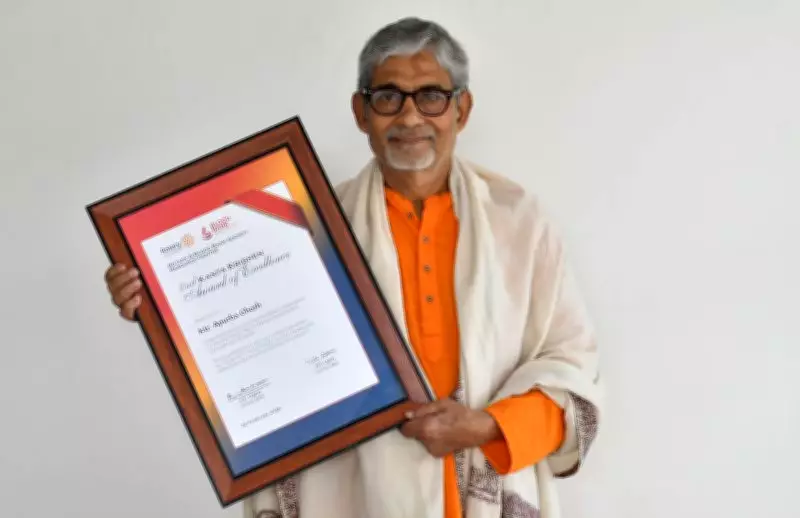
Blood Can Never Be for Sale, Says Apurba, Organiser of 70,000 Camps
In a powerful statement highlighting the ethical core of healthcare, Apurba, a renowned blood donation advocate based in Chandigarh, has firmly declared that blood can never be for sale. This principle has driven his remarkable efforts in organizing over 70,000 blood donation camps across the region, aiming to foster a culture of voluntary giving and save countless lives.
A Lifelong Mission Against Commercialization
Apurba's journey began with a deep-seated belief in the sanctity of human life and the need to keep blood donation free from commercial interests. He argues that treating blood as a commodity undermines the spirit of altruism and can lead to exploitation in healthcare systems. "Blood is a gift of life, not a product to be traded," he emphasized, urging communities to prioritize voluntary donations over paid systems.
Impact of 70,000 Camps on Public Health
Through his extensive network and relentless campaigning, Apurba has mobilized thousands of volunteers and donors, significantly boosting blood bank reserves in Chandigarh and surrounding areas. The camps have not only provided critical blood supplies for emergencies and medical treatments but also raised awareness about the importance of regular donations. Key achievements include:

- Organizing an average of over 10 camps daily for decades.
- Educating the public on blood safety and donation benefits.
- Collaborating with hospitals and NGOs to streamline donation processes.
Challenges and Future Goals
Despite the success, Apurba faces ongoing challenges such as donor shortages and misconceptions about blood donation. He plans to expand his initiatives by leveraging technology to connect donors with recipients more efficiently and advocating for stronger policies against blood commercialization. "Our work is far from over; we must ensure every drop of blood is given freely and used wisely," he stated.
Apurba's dedication serves as an inspiration, reinforcing that healthcare thrives on compassion, not commerce. His message resonates widely, encouraging more people to join the cause and uphold the principle that blood, as a life-saving resource, should always remain a voluntary gift.






