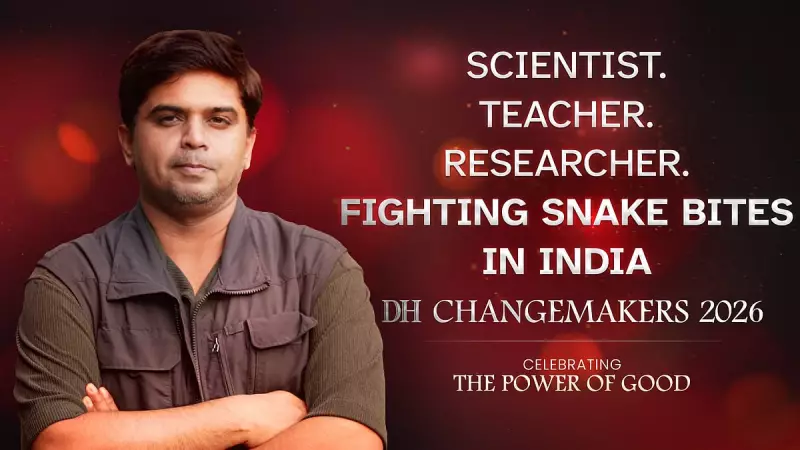
Bengaluru Scientist Develops Revolutionary Snakebite Treatment
A dedicated scientist based in Bengaluru is making significant strides in transforming how snakebites are treated. This innovative work holds the potential to save countless lives across India.
Addressing a Critical Health Issue
Snakebites pose a severe threat in many parts of India, especially in rural areas. Traditional treatments often fall short, leading to high mortality rates. The scientist's new method aims to change this grim reality.
By focusing on advanced research into venom properties, the approach seeks to develop more effective antivenoms. This could drastically reduce the time it takes to neutralize venom in victims.

How the New Treatment Works
The scientist's technique involves a novel way of analyzing snake venom. It uses cutting-edge technology to identify key components that cause harm. This allows for targeted interventions.
Key aspects of the method include:
- Rapid diagnosis tools for identifying the snake species.
- Customized antivenom formulations based on venom profiles.
- Improved delivery systems for faster action in the body.
These innovations could make treatment more accessible and affordable. Rural clinics might soon have better resources to handle snakebite emergencies.
Impact on Rural Communities
Many snakebite victims in India live in remote villages. They often lack quick access to medical facilities. The scientist's work could bring life-saving solutions closer to these communities.
This development is not just about science; it is about social change. By reducing fatalities, it can help protect agricultural workers and others at high risk.
The research also emphasizes training local healthcare workers. They can learn to use the new tools effectively, ensuring broader implementation.
Future Prospects and Challenges
While the progress is promising, challenges remain. Scaling up production of new antivenoms requires significant investment. Regulatory approvals must be secured to ensure safety and efficacy.
However, the scientist remains optimistic. Collaborations with institutions and government bodies are underway. These partnerships aim to accelerate the adoption of the treatment nationwide.
In the long run, this innovation could set a global standard. Other countries facing similar snakebite crises might adopt the methods developed in Bengaluru.
The journey from lab to field is complex, but the potential benefits are immense. This work represents a beacon of hope for millions at risk of snakebites every year.