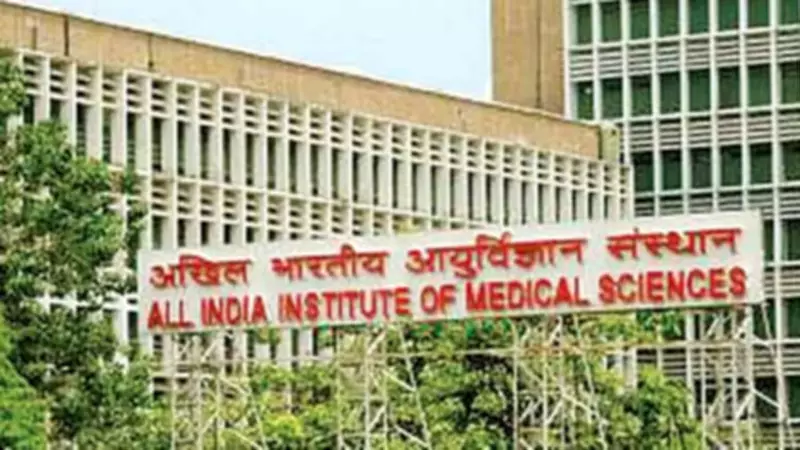
Since its establishment in 2023, the dedicated transgender clinic at the All India Institute of Medical Sciences (AIIMS) in New Delhi has witnessed a significant surge in patient visits, reflecting a growing demand for specialized gender-affirming healthcare in India. According to recent data, the clinic has performed a total of 139 gender-affirming and refining procedures over approximately two years, underscoring its pivotal role in supporting the transgender community.
Steady Increase in Patient Registration and Procedures
Dr. Rajesh Khadgwat, an endocrinologist at AIIMS, revealed that the clinic currently has around 600 registered individuals and enrolls nearly 200 new patients annually. This steady rise in footfall is attributed to increasing awareness and acceptance of transgender healthcare needs. As of January 27, 2026, the clinic's records show that 33 of the 139 procedures were gender-affirming surgeries, such as vaginoplasty and phalloplasty, which involve constructing anatomical features to align with gender identity.
Breakdown of Gender-Refining and Minor Procedures
The remaining procedures included gender-refining operations like breast augmentation, torso masculinisation, and facial surgeries such as hairline reshaping, forehead contouring, rhinoplasty, jaw surgery, and tracheal shaving. Additionally, the clinic has conducted 56 minor procedures, including dermal fillers and laser treatments. Data indicates that 72 procedures were for transwomen and 67 for transmen, highlighting a balanced approach to care.

Demographics and Healthcare Engagement
Experts at AIIMS noted that a majority of patients are young adults in their twenties, suggesting a greater willingness among transgender individuals to engage with institutional healthcare systems. This trend points to improved access and reduced stigma surrounding gender-affirming treatments in the country.
Comprehensive Treatment Approach
Dr. Khadgwat explained that treatment typically begins with hormone therapy and psychiatric evaluation for those dealing with gender dysphoria. After at least one year of continuous therapy, individuals may opt for gender-affirming surgery, though it remains entirely optional. Hormone replacement therapy serves as the foundation of medical gender transition, with male hormones prescribed for female-to-male transitions and female hormones for male-to-female transitions to help align physical characteristics with gender identity.
Challenges and Support Systems
Despite progress, patients often face hurdles such as lack of family support and financial constraints. While most medicines are provided free under the essential medicines list, some incur monthly expenses ranging from Rs 2,000 to Rs 3,000. The clinic attempts to support patients through Corporate Social Responsibility (CSR) funding where possible. Dr. Khadgwat emphasized that the clinic addresses not only medical issues but also social and mental health challenges, ensuring holistic care.
Effective Outcomes and Patient Choices
The outcomes of hormone therapy are highly effective, with patients experiencing changes like voice modulation, facial hair growth, muscle development, or breast reduction, depending on the transition direction. Many patients later choose surgery, but many do not, highlighting the personalized nature of gender-affirming care. This comprehensive approach at AIIMS is setting a benchmark for transgender healthcare in India, fostering a more inclusive and supportive medical environment.