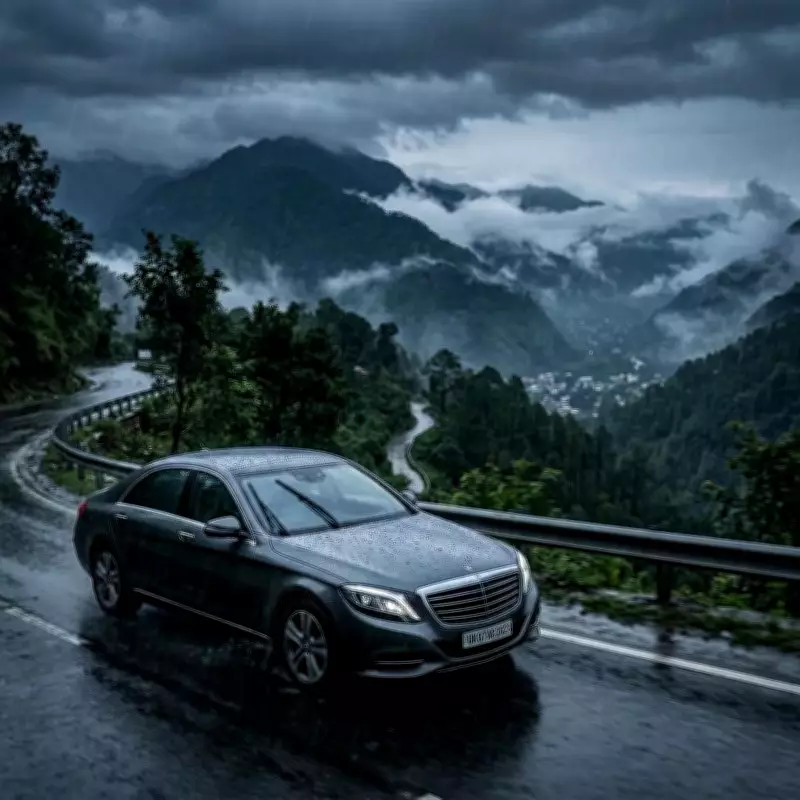
Monsoon Driving in India: A Pre-Season Vehicle Checklist for Drivers
Monsoon driving in India can lead to costly repairs and serious accidents if your vehicle is not prepared for heavy rains. A simple pre-season checklist can help protect your car from water damage, brake failure, tyre skidding, and engine trouble while keeping you safer on flooded roads.
With slippery streets, potholes, and poor visibility becoming common during the rainy season, even a small issue can turn into an expensive repair bill. Preparing your vehicle before the monsoon arrives can improve safety, reduce the risk of breakdowns, and save thousands in unexpected maintenance costs.
5 Pre-Monsoon Checklist Before Driving in India in 2026
Listed below are the top 5 pre-monsoon season mandatory checklists before driving in rainy weather:

1. Wiping Blades and Windshield
During the Indian monsoons, average rainfall leads to poor road visibility. Old or worn wiper blades and cracked windshields can be dangerous when driving, particularly during sudden downpours. A clean windshield is essential for a driver to detect potholes and pedestrians.
What to Check:
- Check wiper blades for streak marks, hard rubber or cracks in the windshield. Replace them if they are no longer useful for clearing water.
- Make sure the windshield washer fluid level is full and that the spray nozzles are not clogged.
- Look for cracks in the windshield as they can expand with temperature or pressure changes.
- In humid weather, wipe the inside of the windshield to prevent fogging.
2. Tyres – Pressure, Tread and Alignment
Throughout the monsoon driving season, tyres are among the most important safety components. Worn-out tyres raise the risk of hydroplaning on wet roads. Maintain a proper tyre condition to improve braking and fix stability. Having the best car insurance with roadside assistance and tyre-related coverage can also help reduce unexpected expenses during the rainy season.
What to Check:
- Keep tyres at the manufacturer's recommended pressure, as overinflated and underinflated tyres impact road grip.
- Check the tyres for bulges, cuts, or other damage before long drives.
- Check wheel alignment and balancing to prevent tyre wear during driving on wet roads.
3. Brakes – Discs, Pads and Fluid
During monsoons, the braking efficiency is very important for driving on wet roads. If your brakes respond even one or two seconds slower, it can result in traffic or highway accidents. Regularly checking your brakes can lower repair costs and improve driving safety.
What to Check:
- If you hear a squeaking, grinding or vibrating sound during braking, it means the brake pads are worn.
- Check for any rust on the brake discs or wear and tear from excessive moisture exposure.
- At slow speeds, test brakes before setting off on long monsoon trips.
4. Headlight, Fog Lamps and Indicators
Heavy rain, early-morning fog, and thunderstorms often result in low visibility. Functional lights are essential for drivers to notice and increase the visibility of cars from a safe distance. Dim headlights can increase the risk of accidents during monsoon traffic.
What to Check:
- Make sure the headlights are bright and properly aligned for better night vision.
- Check fog, tail and brake lights before the start of the rainy season.
- Replace bulbs as soon as they burn out and clean dirty lamp covers.
- Ensure proper functioning of hazard lights during stops.
5. Battery – Longevity, Charge and Terminals
Electric systems and battery performance are impacted by monsoon moisture. This is because older batteries fail to function during rainy weather, causing drivers to get stuck in traffic.
What to Check:

- Check for corrosion, loose connections and white deposits on battery terminals.
- Test battery voltage and charging status, particularly for batteries older than 3 years.
- Ensure a smooth engine start without any hassle.
- Check if the horn, central lock and power windows are functioning properly.
Importance of Choosing Car Insurance During Monsoon Damage
Purchasing a third-party car insurance or comprehensive insurance during the monsoon season safeguards you against the hefty costs of repairs from floods, third-party property damage, waterlogging, accidents, etc. Heavy rain can damage a car's engine, electrical system, braking system, and interior.
For instance, when you drive through a flooded road, you might face a hydrostatic lock in the engine, which might cost you thousands in repairs. A comprehensive car insurance policy provides greater financial cover during the rainy season. It also facilitates easier handling of unanticipated breakdowns, towing costs, and damages from accidents.
Final Thoughts
Keeping your vehicle ready before the monsoon saves you from expensive repairs and breakdowns on the road. Regularly checking tyres, brakes, windshield wipers, lights, and the battery significantly increases driving safety during heavy rain and waterlogged conditions.
By opting for comprehensive car insurance with add-ons like engine protection and roadside assistance, you gain financial security and peace of mind. Make sure to conduct the mandatory checks before the monsoon to safeguard your car.
Disclaimer: The content above is presented for informational purposes as a paid advertisement. The Tribune does not take responsibility for the accuracy, validity, or reliability of the claims, offers, or information provided by the advertiser. Readers are advised to conduct their own independent research and exercise due diligence before making any decisions based on its contents and not go by mode and source of publication.