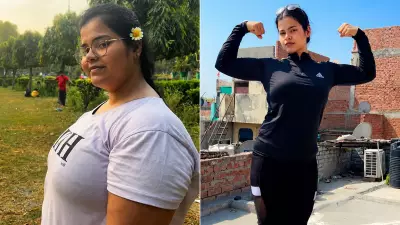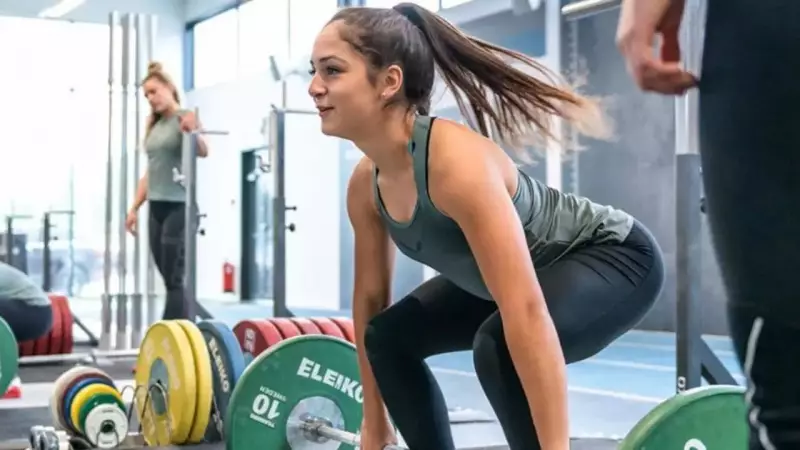
Despite significant progress in women's fitness conversations, persistent myths surrounding strength training continue to deter countless women across India from embracing its profound benefits. As we move through 2025, misconceptions about bulking, danger, and relevance still shape self-perception and health choices, preventing women from unlocking both physical and mental strength.
The Top 5 Myths Holding Women Back
Fitness experts and health journalists consistently encounter the same set of unfounded fears. These ideas are not just harmless rumours; they actively influence how women engage with their wellness journeys, often steering them away from one of the most effective forms of exercise.
Myth 1: Lifting Leads to a Bulky Physique
The most common deterrent is the fear of developing excessive muscle mass. However, biological reality makes this outcome highly unlikely for most women. Women have significantly lower testosterone levels than men, a key hormone for substantial muscle hypertrophy. Achieving a bodybuilder's physique requires years of dedicated, intense training, a precise calorie-surplus diet, and often, specific supplementation.

For the average woman incorporating strength sessions two to three times weekly, the result is not bulk, but a leaner, more toned, and capable body. The process enhances muscle definition, improves posture, and builds functional strength without dramatic size increase.
Myth 2: Weightlifting is Inherently Dangerous
Another widespread belief is that lifting weights, especially for beginners or older women, poses a high risk of injury. Contrary to this notion, proper strength training under guidance enhances bodily safety. It strengthens muscles and connective tissues around joints, leading to greater stability and a reduced risk of everyday injuries.
Furthermore, it is a powerful tool against osteoporosis—a critical concern for women as they age—by increasing bone density. With focus on correct form and progressive overload, weightlifting is a safe and highly beneficial practice for women of all age groups.
Myth 3: Cardio is Superior for Fat Loss
Many Indian women prioritise cardio exercises like running or cycling for weight loss, sidelining weights. This overlooks a key metabolic advantage of strength training: muscle building boosts resting metabolic rate. Each kilogram of muscle gained consumes more calories at rest, meaning your body burns more energy throughout the entire day, not just during the workout.
Additionally, strength training induces Excess Post-exercise Oxygen Consumption (EPOC), or the "afterburn" effect, where the body continues to burn extra calories for hours post-session. A combined approach of cardio and weights yields the most sustainable and effective body composition changes.
Myth 4: Light Weights and High Reps are Best
The gym stereotype of women using only light dumbbells for high repetitions is a flawed approach for building strength or tone. The principle of progressive overload—gradually increasing resistance—is fundamental for adaptation. Women are fully capable of lifting heavier weights, and doing so is necessary to stimulate muscle growth, improve bone density, and see tangible results.
Challenging the muscles with adequate weight leads to better strength gains, improved muscular definition, and more efficient workouts.
Myth 5: Strength Training is Only for the Young and Athletic
Perhaps one of the most limiting myths is that lifting is reserved for young athletes. In truth, strength training becomes increasingly vital with age. For women over 40, it is transformative, combating age-related muscle loss (sarcopenia), preserving bone strength, enhancing balance and coordination, and significantly reducing the risk of falls.
It is a cornerstone of functional fitness, ensuring independence and vitality through all stages of life.

Embracing a Stronger Future
Dispelling these myths is more than a fitness correction; it's about empowering women with accurate knowledge to make informed health decisions. Strength training offers a proven path to improved physical health, mental resilience, and confidence. The year 2025 presents an opportunity to move beyond outdated fears and embrace the empowering reality of weightlifting for a stronger, healthier life.