Uric Acid Surge in Young India: A Silent Health Epidemic
Once considered a condition primarily affecting older adults, high uric acid levels are now alarmingly common among young Indians in their 20s and 30s. Medical clinics across the country report a significant increase in patients presenting with joint pain, kidney stones, and elevated uric acid readings, marking a dramatic shift from patterns observed just a decade ago.
The Perfect Storm: Modern Lifestyle Factors
This troubling trend is not random but reflects a convergence of dietary changes, sedentary work environments, and fitness culture influences. Young professionals today often spend prolonged hours sitting, consume processed foods regularly, and increasingly rely on protein supplements promoted through social media and gym culture. Over time, these habits quietly disrupt the body's metabolic balance, leading to hyperuricemia—a condition where uric acid accumulates in the bloodstream.
Understanding Uric Acid and Its Dangers
Uric acid forms when the body breaks down purines, compounds found naturally in many foods and body cells. Normally, kidneys filter and eliminate uric acid through urine. Problems arise when production exceeds elimination capacity, causing sharp crystals to form in joints and kidneys. These crystals trigger painful gout attacks and contribute to kidney stone development, often without warning symptoms until a crisis occurs.

Alarming Statistics and Urban Health Trends
Health experts document a steady rise in hyperuricemia among younger urban populations. Studies, including data from the Indian Council of Medical Research–India Diabetes (ICMR-INDIAB) study, highlight growing metabolic disorder burdens nationwide. The research shows parallel increases in obesity and diabetes—conditions strongly linked to elevated uric acid levels—creating an environment where uric acid problems flourish.
Dietary Shifts Driving the Crisis
Doctors identify rapid dietary changes over the past two decades as a primary contributor. Young Indians now consume more processed foods, sugary beverages, red meat, and fast food than previous generations. High-purine foods like red meat, organ meats, and certain seafood directly raise uric acid levels, while sweetened drinks and alcohol impair the body's elimination capacity.
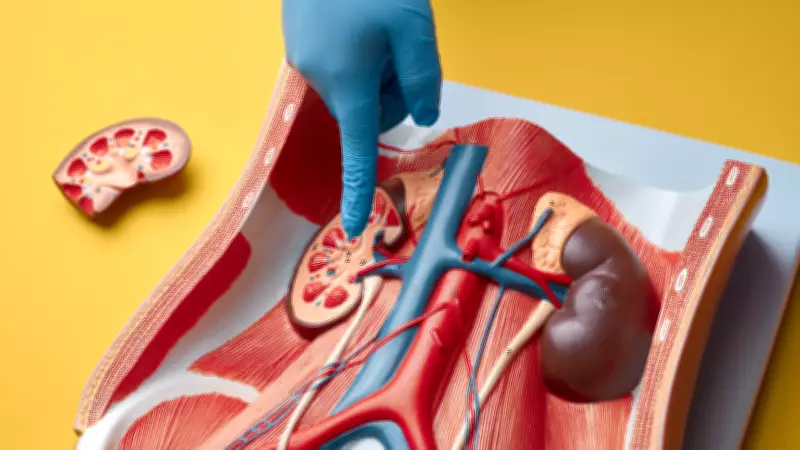
Dr Abhishek K. Shirkande, Consultant Nephrologist at S. L. Raheja Hospital in Mumbai, explains the kidney connection: "High uric acid level in blood, or hyperuricemia, is associated with high blood pressure and can cause kidney disease over time. Excess uric acid forms crystals in renal tubules, leading to kidney inflammation and damage." He adds that untreated uric acid stones gradually compromise kidney function.
The Protein Supplement Dilemma
The fitness industry's emphasis on high-protein diets creates hidden imbalances. While protein is essential, excessive intake through shakes, bars, and powders strains the body. Dr Varun Mittal, Head of Kidney Transplant at Artemis Hospitals, clarifies: "Many people think eating more protein builds strength faster, but the body only needs a certain daily amount. Most individuals meet requirements through regular foods like lentils, eggs, dairy, nuts, and seeds."
How Protein Metabolism Affects Kidneys
When protein metabolizes, it produces nitrogen-based waste products like urea and uric acid that kidneys must filter. Dr Vinayak Ukirde, nephrologist at Sahyadri Hospitals in Karad, details: "High animal protein intake forces kidneys to work harder filtering waste. Purine-rich foods convert to uric acid, increasing gout and kidney stone risks, especially in predisposed individuals." The consensus emphasizes balance over excess.
Sedentary Lifestyles Compound Risks
Beyond diet, sedentary patterns exacerbate the problem. Office work, long commutes, and screen time reduce physical activity, promoting weight gain, insulin resistance, and metabolic syndrome—all factors that elevate uric acid. Dehydration also plays a role, as inadequate fluid intake limits the kidneys' ability to flush out uric acid. Drinking sufficient water remains one of the simplest preventive measures against kidney stones.

Protein: Friend or Foe?
Doctors stress that protein itself isn't harmful; the issue lies in overconsumption, particularly through supplements. Dr Shashidhar Shree Niwas, Clinical Director at Marengo Asia Hospitals, notes: "Protein is vital for muscle growth, hormone production, immune function, and tissue healing. However, extreme fitness diets confuse actual needs. For most healthy adults, balanced nutrition provides adequate protein without heavy supplementation."
Practical Prevention Strategies
Medical experts recommend several lifestyle adjustments to control uric acid levels:
- Maintain a balanced diet rich in vegetables, fruits, whole grains, and moderate protein while reducing purine-heavy foods like red meat and organ meats.
- Drink ample water daily to support kidney function and uric acid elimination.
- Engage in regular physical activity to boost metabolism and manage weight.
- Avoid excessive alcohol and sugary drinks that interfere with uric acid removal.
- Consider routine blood tests for those experiencing recurrent joint pain or kidney stones to monitor uric acid levels.
A Historical Parallel with Modern Relevance
Gout was historically called "the disease of kings" due to its association with rich diets and excess. Today, modern lifestyles have democratized these dietary patterns, making balanced eating, regular movement, and proactive health monitoring essential for prevention. As young Indians navigate contemporary pressures, these timeless principles offer the most reliable defense against a growing health threat.