

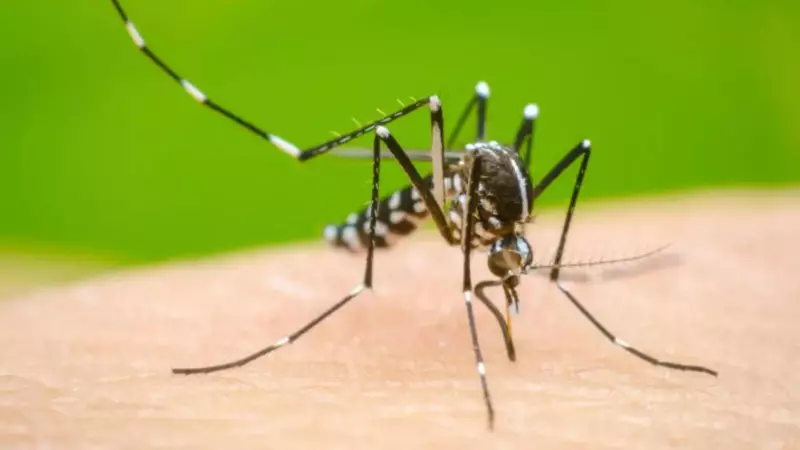
Colombian Research Reveals Vitamin D Deficiency Connection to Severe Dengue Cases
A significant clinical study originating from Colombia and published in the Indian Journal of Medical Research has established a concerning link between low vitamin D levels and more severe manifestations of dengue fever. This research carries substantial implications for India, where both dengue infections and widespread vitamin D deficiency present ongoing public health challenges.
Dengue's Recurring Burden in India During Monsoon Seasons
Dengue fever remains a persistent and serious public health issue across India, particularly intensifying during the monsoon months. Hospitals nationwide regularly experience sharp increases in patients presenting with high fever, dangerously low platelet counts, and various bleeding complications. While many individuals recover with appropriate supportive medical care, a significant percentage of cases deteriorate rapidly, creating difficulties in predicting disease severity and outcomes.
Detailed Methodology and Key Findings of the Colombian Study
In this comprehensive Colombian investigation, researchers conducted detailed analyses of blood samples collected from nearly 100 laboratory-confirmed dengue patients, who were carefully classified according to disease severity. These samples were then compared against those from healthy control individuals. The study measured both serum vitamin D concentrations and levels of miRNA-155, a crucial molecule involved in regulating immune and inflammatory responses within the human body.

The research revealed several important patterns:
- Patients experiencing milder forms of dengue demonstrated higher vitamin D levels in their systems.
- Individuals displaying warning signs or suffering from severe dengue disease showed significant vitamin D deficiency.
- Levels of miRNA-155 increased steadily alongside rising disease severity, indicating an exaggerated immune response in more serious cases.
- The study identified an inverse relationship between vitamin D levels and inflammatory markers like TNF-alpha and interleukin-6, both strongly associated with severe dengue and complications such as dengue haemorrhagic fever.
Indian Medical Experts Weigh In on Research Implications
Dr. R. Goswami, Professor of Endocrinology at the prestigious All India Institute of Medical Sciences, commented that this study strengthens previous evidence connecting low vitamin D with severe dengue, particularly dengue haemorrhagic fever. "What this research adds is a possible disease mechanism through microRNA-155, which is involved in immune dysregulation via Th1 and Th2 pathways," he explained, emphasizing the prudence of maintaining normal vitamin D levels.
Indian clinicians note that these findings resonate strongly with their clinical experiences. Dr. Pankaj Soni, Principal Director of Internal Medicine at Fortis Escorts Heart Institute, observed that low vitamin D is frequently associated with bleeding complications and may exacerbate inflammation and viral replication, positioning it as a modifiable risk factor though not a direct treatment.
Dr. Atul Gogia, Head of Infectious Diseases at Sir Ganga Ram Hospital, added that severe dengue cases are often driven by cytokine storms, suggesting that correcting vitamin D deficiency could potentially help reduce complications, while acknowledging the need for larger, well-controlled clinical trials to confirm these observations.
India's Dual Challenge: Dengue Burden and Widespread Vitamin D Deficiency
India continues to shoulder a heavy dengue burden, with approximately 1.13 lakh reported cases and 95 fatalities recorded until November 2025, with even higher numbers documented during peak years like 2023. Simultaneously, numerous national studies confirm that vitamin D deficiency affects a substantial majority of Indians across all age groups and socioeconomic backgrounds.

Medical experts caution strongly against self-medication with vitamin D supplements without proper medical guidance. However, they emphasize that this Colombian study highlights the urgent need for India-specific research to investigate whether correcting widespread vitamin D deficiency could help identify high-risk patients earlier and potentially reduce dengue-related complications across the population.





