

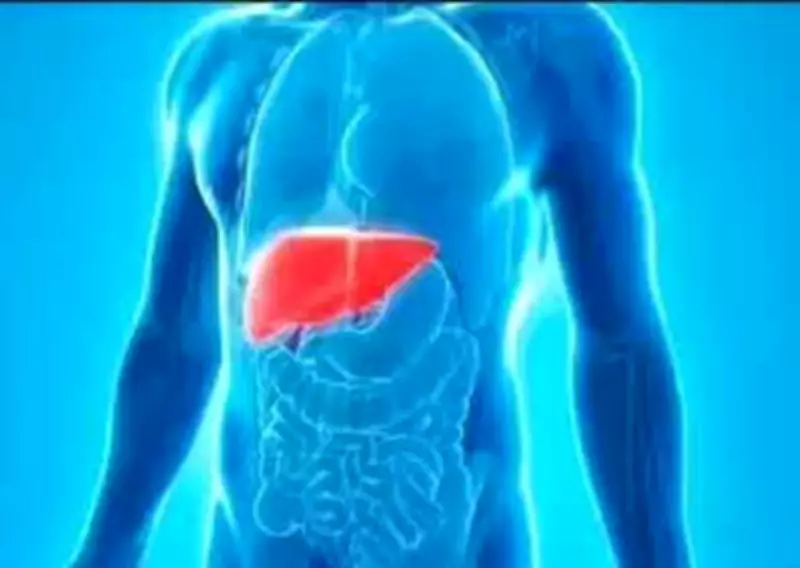
Liver Disease Crisis in Uttar Pradesh: One-Fifth of India's Fatalities Linked to State
In a stark revelation about India's healthcare landscape, Uttar Pradesh accounts for every fifth life lost to liver diseases across the nation. Medical experts emphasize that a significant number of patients could survive with improved transplant facilities and timely interventions within the state.
Alarming Statistics and Systemic Challenges
Doctors at ApolloMedics Hospital, who have successfully conducted seven liver transplants in the past three months, recently highlighted the urgent need for enhanced awareness and prevention strategies. Dr Abhishek Yadav, Senior Director and Head of Liver Transplant and Hepatobiliary Surgery, pointed out that liver disease and cirrhosis rank as the eighth leading cause of death in India. He attributed this high mortality rate to delayed diagnosis, widespread lack of awareness, and a severe shortage of transplant-ready medical centers, which often force patients into late-stage liver failure.
Rising Prevalence of Fatty Liver Disease
Adding to the complexity of the situation, Dr Utkarsh Srivastava noted the escalating prevalence of fatty liver disease, which currently affects approximately 30-35% of the Indian population. This condition introduces an additional layer of challenge, compounding the existing burden of liver-related health issues.

Specific Hurdles in Uttar Pradesh
Focusing on the state's unique struggles, consultant gastroenterology Dr Jayendra Shukla explained, "The problem is worsened by delayed referrals and limited transplant-ready facilities." This combination of factors creates a critical bottleneck in patient care, hindering timely and effective treatment.
Multidisciplinary Approach and Successful Interventions
Advocating for a comprehensive strategy, Dr Rajeev Ranjan Singh, Director of Gastroenterology, stressed that a multidisciplinary approach is essential for optimal liver care. "Treatment often involves multiple specialties working in tandem," he said. By adopting this integrated model, ApolloMedics Hospital has performed over seven liver transplants in the past three months, marking one of the highest numbers in the region.
Live Transplants and Coordinated Efforts
MD and CEO Dr Mayank Somani provided further insight, revealing that most of these transplants were of the 'live' category, where family members donated a portion of their liver to loved ones in need. "The outcomes were satisfactory because of coordinated efforts," he affirmed, underscoring the importance of teamwork and systematic planning in achieving positive results.
This scenario underscores a pressing public health issue in Uttar Pradesh, where enhancing transplant infrastructure and fostering greater awareness could potentially save numerous lives and improve overall healthcare outcomes.






