

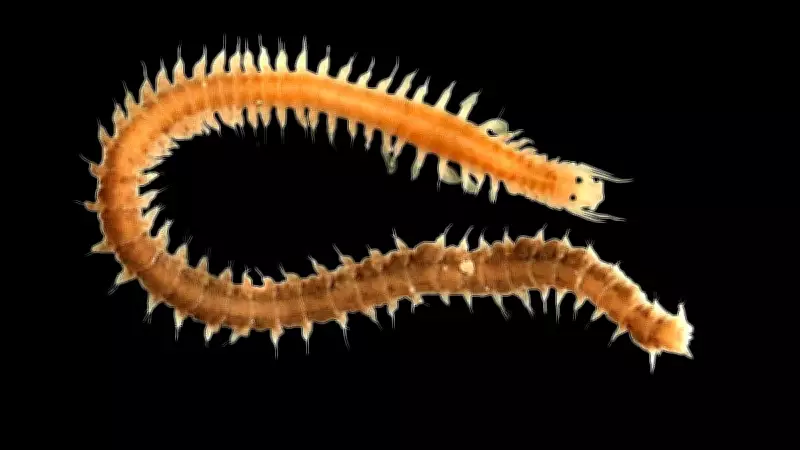
ZSI Uncovers Two New Marine Worm Species in West Bengal's Coastal Waters
The Zoological Survey of India (ZSI) has made a significant discovery in the coastal waters of West Bengal, identifying two previously unknown species of marine worms. This finding, announced on February 6, 2026, marks an important addition to India's marine biodiversity records and underscores the rich ecological diversity of the region's aquatic environments.
Details of the Discovery
The newly discovered worm species were found during a routine marine survey conducted by ZSI scientists along the West Bengal coastline. These organisms belong to the polychaete group, which are segmented worms commonly found in marine habitats. The species have been given scientific names based on their morphological characteristics and genetic analysis, though specific taxonomic details are pending formal publication in peer-reviewed journals.
Key features of the discovery include:

- Habitat: The worms were located in the shallow coastal waters of West Bengal, an area known for its diverse marine life but previously underexplored for certain invertebrate groups.
- Significance: This discovery highlights the ongoing potential for new species findings in Indian waters, contributing to global biodiversity databases.
- Research Methods: ZSI utilized advanced sampling techniques and laboratory analysis to confirm the species as new to science, involving both field collections and molecular studies.
Implications for Marine Science and Conservation
The identification of these two worm species has broader implications for marine biology and environmental conservation. Polychaete worms play crucial roles in marine ecosystems, such as nutrient cycling and serving as food sources for other marine animals. Understanding their diversity helps scientists assess ecosystem health and monitor changes due to factors like climate change or pollution.
In West Bengal, coastal areas face pressures from human activities, including fishing and coastal development. This discovery emphasizes the need for continued research and conservation efforts to protect unknown or poorly studied species. ZSI plans to conduct further studies to explore the ecological roles of these worms and their distribution patterns.
Context and Future Directions
This discovery is part of ZSI's ongoing mission to document India's fauna, which includes over 100,000 species across various habitats. Marine worms, in particular, are a diverse group with many species still awaiting discovery worldwide. The find in West Bengal adds to a growing list of new species reported from Indian waters in recent years, reflecting advancements in taxonomic research.
Looking ahead, ZSI aims to:
- Publish detailed descriptions of the worm species in scientific journals to formalize their classification.
- Investigate potential uses of these worms in ecological studies or biotechnology applications.
- Enhance public awareness about marine biodiversity through educational initiatives.
This discovery not only enriches scientific knowledge but also underscores the importance of preserving marine habitats for future research and ecological balance.






