

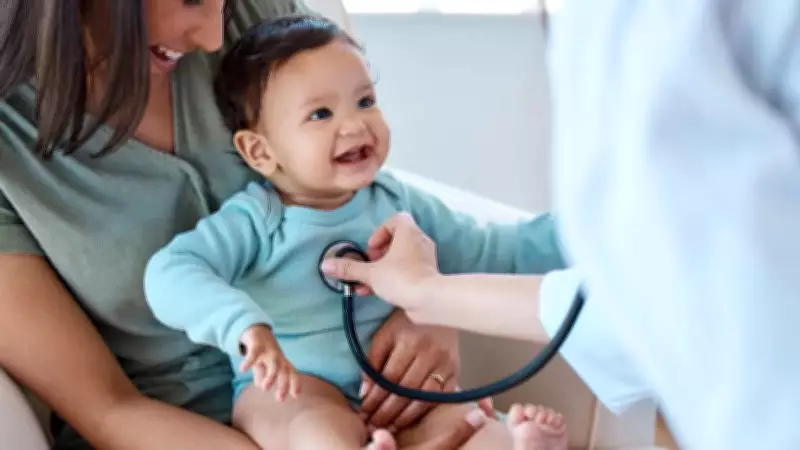
Baby Rachel, aged 10 months and weighing 5.4 kg, was brought to BM Birla Heart Hospital in Kolkata suffering from severe mitral valve leakage and a large hole between the upper chambers of her heart. These conditions had driven her into heart failure, which medication could no longer control. Surgery was the only option, and it was performed without complication. However, when the medical team attempted to separate her from the heart-lung machine that had sustained her through the procedure, her heart could not take over and failed to resume independent function.
Similar Crisis for Another Infant
Eight-month-old Baby Sweety presented with a similar weight but a different, equally serious cardiac condition. She had large holes between both the upper and lower chambers of her heart, causing pulmonary pressure to rise to dangerous levels. Her surgery was completed successfully, but like Baby Rachel, her heart failed to resume independent function when the team tried to wean her from bypass support.
ECMO: The Only Remaining Option
In both cases, the medical team reached the same conclusion: the only remaining option was Extracorporeal Membrane Oxygenation (ECMO). ECMO is a modified, highly advanced form of the heart-lung machine that takes over the function of the heart and lungs entirely, circulating and oxygenating blood outside the body while the organs have time to recover. The decision to initiate ECMO was made in consultation with the full clinical team and both sets of parents. With the sternum left open and ECMO cannulas placed directly into the right atrium and aorta of each infant, the team moved both children from the operating theatre to the ICU with the machines running.

110 Hours of High-Stakes Management
What followed was 110 hours of continuous, high-stakes management for each child. ECMO in infants carries competing risks that must be balanced simultaneously across every hour of support. The circuit requires blood thinners to prevent clotting, but these same medications increase the risk of bleeding. Every organ system must be monitored continuously, infections prevented, and cardiac recovery assessed daily through echocardiography. The team watched for the point at which the heart was strong enough to be weaned from support. That point arrived for both infants at around the 110-hour mark. Weaning was successful in both cases, and both children recovered fully.
Expert Comments on the Success
Dr Kuntal Roy Chowdhuri, Senior Consultant in Paediatric and Adult Cardiac Surgery at BM Birla Heart Hospital, said, "Post-cardiac surgery ECMO in infants is among the most demanding interventions in paediatric cardiac care. Early initiation and precise multidisciplinary management are what determine outcomes in these cases. The recovery of both these children reflects what coordinated, high-level cardiac care can achieve even in the smallest and most critically unwell patients."
Dr Satarupa Mukherjee, Consultant in Paediatric Cardiac Intensive Care at BM Birla Heart Hospital, added, "Managing bleeding and clotting simultaneously while monitoring every organ system across days of ECMO support requires a level of clinical vigilance that cannot be reduced to a protocol. The team's ability to maintain that standard continuously across both cases was central to the outcome."
Dr Pravir Kumar Das, Head of the Department of Cardiac Anaesthesia at BM Birla Heart Hospital, emphasized, "The contribution of our perfusionists, nurses, physician assistants, and medical technologists to these outcomes was as significant as any clinical decision made by the medical team. ECMO of this complexity and duration succeeds only when every member of the team performs at the highest level throughout."
ECMO in Paediatric Cardiac Care
Post-cardiac surgery ECMO is required in approximately 2 to 8 percent of cases. Early initiation and sustained multidisciplinary management determine whether it succeeds. In both Rachel and Sweety's cases, it did, showcasing the life-saving potential of advanced cardiac care for the smallest and most critically ill patients.






