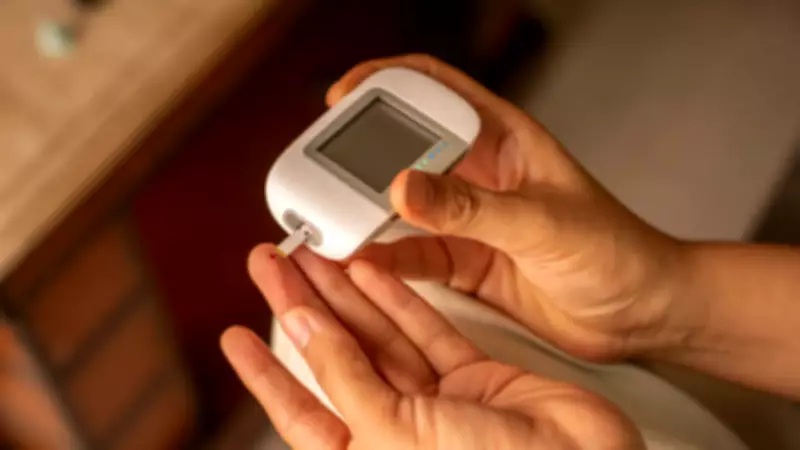
Blood sugar testing might appear straightforward—prick your finger, read a number, and gauge your health status. However, for individuals navigating terms like fasting glucose, post-meal readings, HbA1c, random tests, or oral glucose tolerance tests, the process is far from simple. This confusion often leaves many unaware of their diabetes risk, highlighting the need for a comprehensive approach.
The Complexity of Glucose Monitoring
Glucose levels in the bloodstream fluctuate continuously throughout the day, influenced by factors such as food and drink consumption, physical activity, stress levels, and hormonal changes. Due to these variations, a single glucose test is insufficient for accurately assessing diabetes risk or long-term glucose control. Dr. Nandini Shankara Narayana, Consultant in Endocrinology & Andrology at KIMS Hospitals, Electronic City, Bengaluru, emphasizes that combining three specific tests offers a clearer view of how efficiently the body metabolizes glucose.
Fasting Blood Sugar Test: The Basal State Indicator
The fasting blood glucose test measures glucose levels after an 8 to 10-hour fast, typically from dinner until the next morning. This test evaluates how well the body regulates glucose overnight in a steady, basal state.
- Normal Range: 70 to 99 mg/dL
- Prediabetes Range: 100 to 125 mg/dL
- Diabetes Range: 126 mg/dL or higher
While useful, this test does not capture blood glucose spikes that occur after meals, limiting its diagnostic scope.
Post-Meal (Postprandial) Sugar Test: Carbohydrate Metabolism Check
A postprandial blood glucose test is conducted two hours after eating to assess how effectively the body processes carbohydrates from food. For more precise diagnosis, doctors may recommend an Oral Glucose Tolerance Test, where fasting glucose is measured first, followed by a drink containing 75 grams of glucose, with readings taken one or two hours later.
- Normal Range: Below 140 mg/dL
- Prediabetes Range: 140 to 200 mg/dL
- Diabetes Range: Above 200 mg/dL
This test helps identify hidden high blood glucose levels triggered by carbohydrate intake or insulin production issues, often correlating closely with HbA1c results.
HbA1c Test: Long-Term Glucose Control Measure
The HbA1c test provides an average blood sugar level over the past two to three months by measuring glucose bound to hemoglobin in red blood cells.
- Normal Range: Less than 5.7%
- Prediabetes Range: 5.7% to 6.4%
- Diabetes Range: 6.5% or higher
Although it reflects long-term control, HbA1c does not show daily variations and can be affected by conditions like anemia or hemoglobin variants.
Limitations of Single Tests and the Need for Combined Analysis
Dr. Nandini Shankara Narayana points out that each test has unique limitations. Fasting glucose can be skewed by biological rhythms, stress, or dehydration, leading to false results. Post-prandial tests lack a baseline, and HbA1c may not indicate recent glucose spikes or improvements. Therefore, repeated testing or using multiple methods—such as combining fasting glucose with HbA1c—is often recommended before diagnosing diabetes.
Importance of Integrating All Three Tests
Using fasting, post-prandial, and HbA1c tests together mirrors the dynamic nature of blood glucose changes caused by food, medications, sleep, and exercise. In early diabetes, post-meal glucose rises may contribute more to HbA1c than fasting levels, making all three tests crucial for effective management and preventing complications like heart disease, nerve damage, and kidney failure. Personalized diabetes care often relies on monitoring these three parameters to tailor treatments and lifestyle adjustments.
Tips for Accurate Test Results
To ensure reliable readings, follow these guidelines:
- Fast for at least eight hours before a fasting blood glucose test.
- Check postprandial blood glucose exactly two hours after eating.
- Discuss your glucose levels with a doctor, considering factors like age, medications, and other health conditions to set target numbers.
- Focus on long-term trends when making lifestyle or treatment changes, rather than relying solely on glucometer readings.
Adopting a mixed testing approach enhances diagnosis accuracy, improves glucose control, and reduces diabetes-related complications, ultimately supporting better overall health and quality of life.
This article incorporates expert insights from Dr. Nandini Shankara Narayana, Consultant - Endocrinology & Andrology, KIMS Hospitals, Electronic City, Bengaluru, explaining the significance of three blood sugar tests in diabetes assessment.