

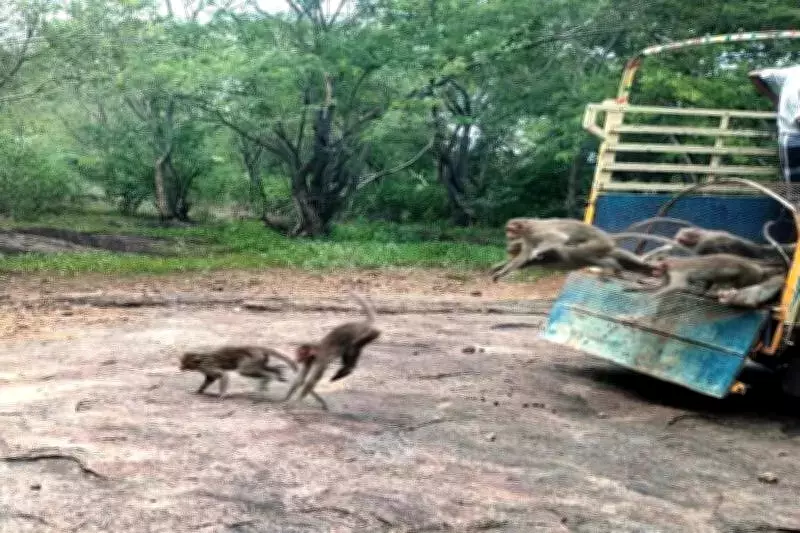
Tenkasi Forest Department Issues Advisory on Monkey Intrusions for Educational Institutions
The forest department in Tenkasi has taken proactive steps by issuing a formal advisory to schools and colleges situated along the forest fringes of the Tenkasi forest division and Nellai Wildlife Sanctuary. This action comes in response to a noticeable rise in monkey intrusions on educational campuses, raising concerns for student safety and wildlife conservation.
Rising Complaints Linked to Natural Corridors and Food Waste
Officials have identified that the increase in complaints is primarily linked to institutions located along natural movement corridors used by monkeys. The easy availability of food waste on these campuses has exacerbated the situation, attracting the animals and leading to frequent encounters. The advisory aims to address these issues by implementing stricter measures to ensure the safety of students while also protecting the Bonnet Macaque, a species legally protected under the Wildlife (Protection) Act, 1972. This species is facing population decline due to ongoing habitat loss, making conservation efforts critical.
Key Measures Outlined in the Advisory
The forest department has directed educational institutions to take immediate action to mitigate the risks associated with monkey intrusions. The following measures have been mandated:

- Waste Management: Institutions must strengthen waste management practices by using closed, monkey-proof bins and banning open dumping of food waste.
- Food Consumption Restrictions: Campuses are required to restrict food consumption to enclosed dining areas only, prohibiting eating in open spaces such as playgrounds, terraces, and corridors.
- Structural Enhancements: Installing chain-link mesh, window grills, and securing overhead water tanks to prevent monkey access to buildings and resources.
- Behavioral Guidelines: Students and staff are advised not to feed or provoke the monkeys to avoid aggressive encounters.
Compliance and Monitoring Requirements
To ensure adherence to these guidelines, educational institutions must form internal monitoring committees responsible for overseeing the implementation of the measures. These committees are required to submit regular compliance reports to the forest department, detailing the steps taken and any challenges faced. In cases where monkeys exhibit aggressive behavior, institutions are instructed to alert the forest range office immediately rather than attempting to drive the animals away themselves, ensuring a safe and professional response.
This comprehensive advisory underscores the forest department's commitment to balancing human safety with wildlife protection, particularly for the vulnerable Bonnet Macaque. By addressing both the root causes, such as food waste, and implementing preventive structural measures, the initiative aims to reduce conflicts and promote coexistence in the region.






