

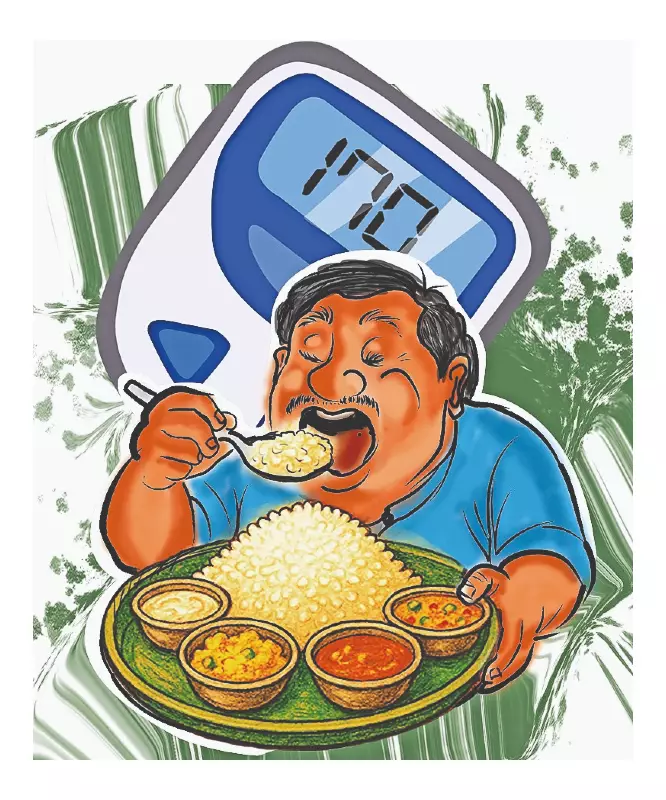
India's diabetes crisis continues to escalate at an alarming rate, with recent data revealing particularly concerning trends in Tamil Nadu. According to leading experts Dr V Mohan and Dr Soumya Swaminathan, the nation currently has 101 million people diagnosed with diabetes and an additional 136 million living with prediabetes. Tamil Nadu has emerged as one of the country's primary hotspots for this growing health emergency.
Staggering Increase in Diabetes Prevalence
The ICMR–INDIAB study provides sobering statistics about the rapid progression of diabetes in Tamil Nadu. Between 2008 and 2010, the prevalence of diabetes among individuals over 20 years old stood at 11.1%. By 2022–2023, this figure had skyrocketed to 22.7%, representing a dramatic 104% increase over the decade. Even more concerning is the parallel rise in prediabetes cases, which jumped from 12.2% to 24.8% during the same period, marking a 103% increase.
These numbers translate to approximately 12 million people currently living with diabetes in Tamil Nadu, with another 10 million at high risk of developing the condition in the coming years without immediate intervention. The rapid progression from prediabetes to diabetes—often occurring within just four years—suggests the epidemic is accelerating rather than stabilizing.

Rural Areas Show Even Faster Growth
Contrary to common perception, the diabetes epidemic is not confined to urban centers. Rural Tamil Nadu has experienced an even more dramatic increase, with diabetes prevalence rising from 8.3% to 18.3% over the same period—a staggering 120% increase. This indicates that rural areas are witnessing faster growth in diabetes cases than urban regions, challenging the notion that this is primarily an urban health crisis.
Dietary Factors Driving the Epidemic
The recent ICMR–INDIAB study published in Nature Medicine identifies dietary patterns as the primary driver of Tamil Nadu's diabetes crisis. The typical diet in the state is disproportionately high in carbohydrates, constituting approximately 65% of total calorie intake. The majority of these carbohydrates come from polished white rice, which has a high glycemic index that causes rapid blood sugar spikes after consumption.
Simultaneously, protein intake remains critically low at just 10% of calories, far below the recommended 15–20%. The quality of available protein is also suboptimal, creating a nutritional imbalance that contributes to metabolic disorders. Research from the Madras Diabetes Research Foundation has established strong links between excessive white rice consumption and type 2 diabetes, as well as related conditions including obesity, dyslipidemia, and fatty liver disease.
Public Distribution System Limitations
The current Public Distribution System (PDS) in Tamil Nadu inadvertently contributes to poor dietary diversity among lower socioeconomic groups. The scheme provides families of five with up to 25kg of rice, 1kg of dal, 1 litre of palm oil, and 5kg of sugar monthly. While addressing food security, this allocation promotes a diet heavy in refined carbohydrates while limiting access to dairy, legumes, pulses, eggs, nuts, fruits, and vegetables—all essential components of balanced nutrition.
Studies by the M S Swaminathan Research Foundation reveal that adolescent girls in the state have developed particularly unhealthy eating habits, with increased consumption of fried snacks and ultra-processed foods.
Potential Solutions and Policy Interventions
Experts propose several evidence-based interventions that could help curb the diabetes epidemic:

- PDS Reform: Modifying the PDS scheme by increasing dal and pulse allocations while reducing sugar and potentially rice quantities could promote healthier eating patterns. Karnataka's successful implementation of similar reforms—adding more dal and replacing some rice with millets—provides a valuable model.
- Dietary Modifications: The ICMR–INDIAB study indicates that even a modest 5% reduction in carbohydrate intake, replaced with plant proteins, could significantly help prevent diabetes. This represents a low-hanging fruit opportunity for governmental action.
- Increasing Fruit and Vegetable Access: Current fruit and vegetable consumption in Tamil Nadu falls far below the WHO-recommended three to four daily servings, primarily due to high costs. The Horticultural Producers' Cooperative Marketing and Processing Society (HOPCOMS) model from Karnataka demonstrates how cooperative systems can make fresh produce more accessible while supporting local farmers.
A Comprehensive Approach to Health
Tamil Nadu, already recognized for its pioneering public health initiatives like the noon-meal scheme and recent school breakfast program, has the opportunity to lead India's fight against noncommunicable diseases. By reforming the PDS to include more diverse, nutrient-rich foods purchased directly from local farmers, the state could simultaneously address multiple challenges:
- Improving population health and slowing the diabetes epidemic
- Supporting climate-resilient agriculture practices
- Increasing incomes for small-scale farmers
- Reducing long-term healthcare costs associated with diabetes complications
Such comprehensive reforms would represent a strategic investment in preventive healthcare that could yield substantial economic and social benefits for generations to come. As Tamil Nadu stands at the forefront of India's public health landscape, its actions could establish a replicable model for other states grappling with similar diabetes crises.





