

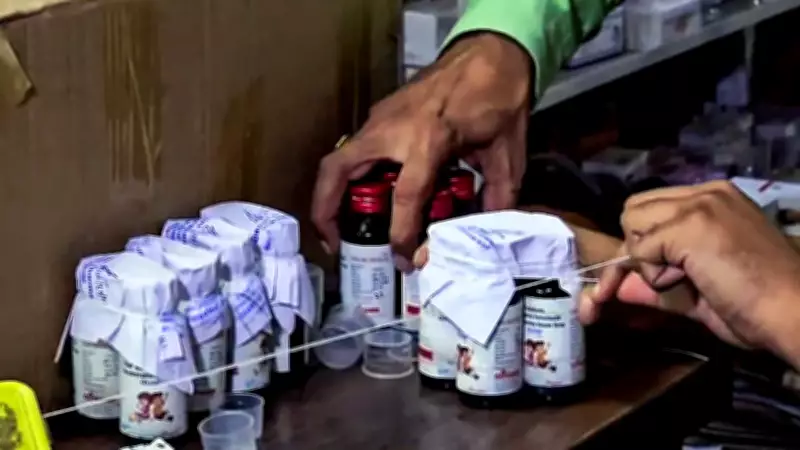
Madhya Pradesh Cough Syrup Tragedy: A Chain of Systemic Failures Exposed
The deaths of over 20 children in Madhya Pradesh's Chhindwara district, linked to contaminated cough syrup, were not an isolated incident but the result of a deeply interconnected chain of failures, according to a police chargesheet. This tragedy highlights critical lapses in pharmaceutical manufacturing, distribution, and medical oversight.
The Fatal Phone Call and Medical Warning
On September 11, 2025, a 281-second telephone conversation between two doctors marked a pivotal moment in the unfolding crisis. Dr Praveen Soni, a paediatrician in Chhindwara, consulted Dr Praveen Khapekar in Nagpur about the deteriorating condition of Vedansh, a two-year-old child who later died of kidney failure. During this call, Dr Khapekar referenced the 1998 Gurgaon tragedy, where diethylene glycol (DEG) contamination killed 33 children, issuing a clear warning to test the medicine being used.
The chargesheet notes that this reference was not merely informational but a dire alert. By this time, 15 children had already succumbed to the contaminated syrup, yet no formal report was made to authorities, exacerbating the crisis.

Manufacturing Deficiencies and Regulatory Lapses
At the heart of the case is batch SR-13 of Coldrif syrup, manufactured by Sresan Pharmaceuticals in Tamil Nadu. The company, operational since 1984, had longstanding experience but faced multiple prior violations under the Drugs and Cosmetics Act. Investigations revealed that the firm used industrial-grade propylene glycol instead of pharmaceutical-grade, a critical deviation in production.
During inspections, the Tamil Nadu Drug Department documented 39 critical and 325 major deficiencies at the facility. The quality control officer, K Maheshwari, allegedly operated without necessary instrumentation to detect contamination, further compromising safety.
Supply Chain Manipulation and Distribution Bypasses
The contaminated raw material entered the supply chain through Shailesh Pandya of Pandya Chemicals, who held a valid drug licence but allegedly sourced industrial-grade chemicals from a firm dealing in fragrance products. Payments were arranged indirectly via third-party accounts, obscuring the transaction trail.
Distribution channels were also compromised. Instead of following the standard three-tier system, New Apna Medical Store in Chhindwara directly procured medicines from Sresan Pharmaceuticals, bypassing the state distributor. This store was operated by relatives of Dr Praveen Soni, indicating a conflict of interest and targeted supply to his clinic.
Incentives and Prescription Practices
Medical representative Satish Verma, who worked with Sresan Pharma for 28 years, shifted to a commission-based role, allegedly using gifts and financial benefits to secure prescriptions. Records seized from his residence showed monthly incentives given to doctors, with prescriptions predominantly concentrated in Chhindwara.
Dr Praveen Soni, treating children both as a government doctor and at his private clinic, observed serious kidney symptoms in patients from late August 2025. Despite the warning from Dr Khapekar and his own clinical observations, he failed to report the issue to drug authorities, leading to further fatalities.
Legal Proceedings and Denials
A total of 11 persons have been named as accused, with the case currently at the stage of arguments on charges in a district and sessions court. The accused, including manufacturer G Ranganathan and others, have denied allegations, claiming prosecution without concrete basis.
This tragedy underscores systemic vulnerabilities in India's pharmaceutical and healthcare sectors, calling for stricter enforcement and transparency to prevent future incidents.






