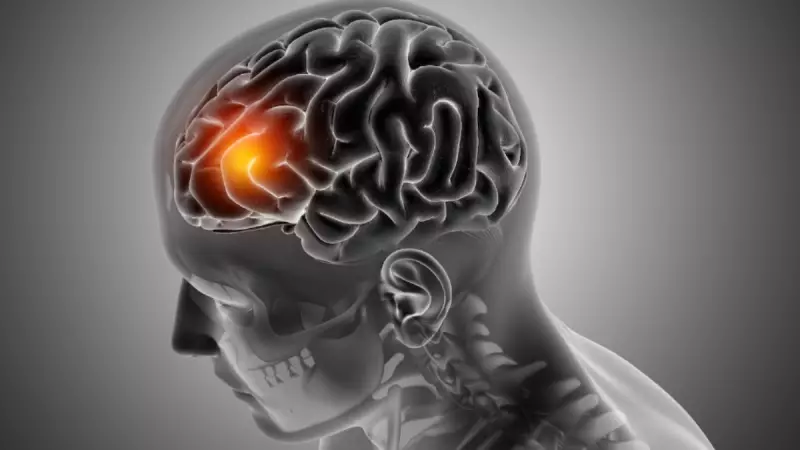
A stroke, often termed a 'brain attack,' is a medical emergency where every minute counts. Recognising its early warning signs can be the thin line between life and death, or between a full recovery and permanent disability. Medical experts consistently stress that immediate action upon noticing symptoms is non-negotiable for effective treatment and better patient outcomes.
The Critical Window: Why Time is Brain
The core principle in stroke management is 'time is brain.' For the most common type of stroke, known as an ischemic stroke, a powerful clot-busting medication called alteplase (tPA) can be administered. However, this treatment has a narrow therapeutic window. It must be given within 4.5 hours of the onset of symptoms to be effective. In some cases, a mechanical thrombectomy—a procedure to physically remove the clot—can be performed within up to 24 hours for eligible patients, but earlier intervention always yields superior results.
Delaying hospital arrival by even an hour can drastically reduce the chances of a positive outcome. The longer the brain is deprived of oxygen-rich blood, the more brain cells die, leading to potentially irreversible damage affecting speech, movement, memory, and other vital functions.

Key Warning Signs You Should Never Ignore
Strokes often strike suddenly. Being aware of the following symptoms, which align with the globally recognised FAST acronym, is essential for everyone.
Facial Drooping: One side of the face may become numb or droop. Ask the person to smile; if the smile is uneven or lopsided, it's a red flag.
Arm Weakness: Sudden weakness or numbness in one arm (or leg) is a classic sign. When asked to raise both arms, one arm may drift downward involuntarily.
Speech Difficulties: Speech may become slurred, strange, or difficult to understand. The person might be unable to repeat a simple sentence correctly.
Time to Call Emergency Services: If you observe any of these signs, even if they seem to come and go, it is time to call for an ambulance immediately (dial 108 or 102 in India). Do not attempt to drive the patient yourself, as paramedics can begin life-saving care en route to the hospital.
Beyond FAST: Other Sudden Symptoms
While FAST covers the major signs, a stroke can also present with other sudden neurological deficits:
- Sudden severe headache with no known cause, often described as "the worst headache of my life."
- Sudden trouble seeing in one or both eyes, such as blurred or blackened vision.
- Sudden confusion, trouble understanding, or dizziness.
- Sudden loss of balance or coordination, leading to stumbling or difficulty walking.
It is crucial to remember that these symptoms appear abruptly. Even if the symptoms disappear after a few minutes, it could be a Transient Ischemic Attack (TIA), or 'mini-stroke,' which is a major warning sign that a full-blown stroke may follow. A TIA requires urgent medical evaluation to prevent a future, more devastating event.
The Importance of Public Awareness and Action
Despite clear medical guidelines, a significant challenge remains public awareness and the tendency to downplay symptoms. Many individuals or their families waste precious time hoping the symptoms will pass, consulting a local doctor, or waiting for a family member to arrive. This delay often renders the most effective treatments unusable.
Public health initiatives continuously campaign to educate people about the FAST method and the imperative of swift action. The goal is to make recognising stroke symptoms as reflexive as knowing the signs of a heart attack. Community awareness can empower bystanders and family members to act decisively, potentially saving a life and preserving a person's quality of life.

In conclusion, a stroke is a race against time. Knowing the warning signs—facial drooping, arm weakness, speech difficulty, and other sudden neurological changes—and reacting by immediately calling emergency services is the single most important step in mitigating the long-term damage of a brain attack. When it comes to stroke, hesitation is not an option; immediate action is.