

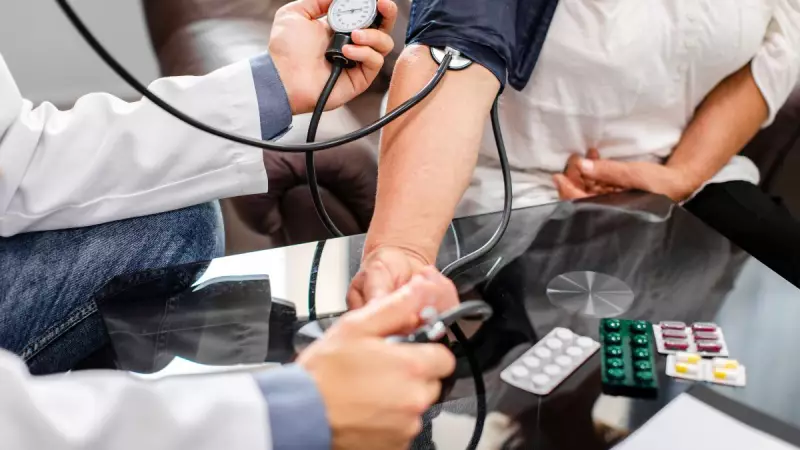
Should Blood Pressure Medicines Be Stopped Once Readings Turn Normal? Mumbai Cardiologist Explains
For millions of Indians managing hypertension, a common question arises: should blood pressure medications be stopped once readings turn normal? This query often leads to confusion and potentially dangerous decisions. A leading cardiologist from Mumbai has stepped forward to provide crucial clarity on this critical health issue, emphasizing the importance of proper medical guidance.
The Temptation to Discontinue Medication
Many patients experience a strong temptation to stop their prescribed blood pressure drugs when they see their readings stabilize within the normal range. This feeling is understandable, as individuals may believe the medication has "cured" the condition or wish to avoid long-term drug use. However, the cardiologist explains that hypertension is typically a chronic, lifelong condition that requires ongoing management. Normal readings are often a direct result of the medication's effectiveness, not an indication that the underlying issue has been resolved.
Risks of Abruptly Stopping Medication
The Mumbai-based heart specialist outlines several significant risks associated with discontinuing blood pressure medicines without medical supervision:

- Rebound Hypertension: Blood pressure can surge to dangerously high levels, sometimes even higher than before treatment began.
- Increased Cardiovascular Risk: Sudden spikes in blood pressure elevate the risk of heart attacks, strokes, and kidney damage.
- Symptom Recurrence: Symptoms like headaches, dizziness, and fatigue may return, affecting daily life and productivity.
- Long-term Complications: Uncontrolled hypertension over time can lead to severe damage to vital organs, including the heart, brain, and kidneys.
Proper Management and Medical Guidance
Instead of self-discontinuation, the cardiologist advises a structured approach to hypertension management. Patients should regularly monitor their blood pressure and maintain open communication with their healthcare provider. In some cases, under strict medical supervision, dosage adjustments might be possible if readings remain consistently normal. However, any changes must be guided by a qualified physician who can assess the individual's overall health profile, including factors like age, lifestyle, and coexisting conditions.
Lifestyle Modifications as Complementary Support
While medication is often essential, the expert highlights that lifestyle modifications play a vital complementary role. Adopting a balanced diet low in sodium, engaging in regular physical activity, managing stress through techniques like yoga or meditation, maintaining a healthy weight, and avoiding tobacco and excessive alcohol can all contribute to better blood pressure control. These changes may, in some cases, allow for reduced medication dosages over time, but again, only under medical advice.
The cardiologist's message is clear: do not stop blood pressure medication based on normalized readings alone. Consistent adherence to prescribed treatment, combined with healthy lifestyle choices and regular medical check-ups, is the safest path to managing hypertension effectively and preventing serious health complications. Patients in Mumbai and across India are urged to consult their doctors before making any changes to their medication regimen.






