One-Third of Heart Patients Develop Stomach Issues After Stent Placement, Experts Caution
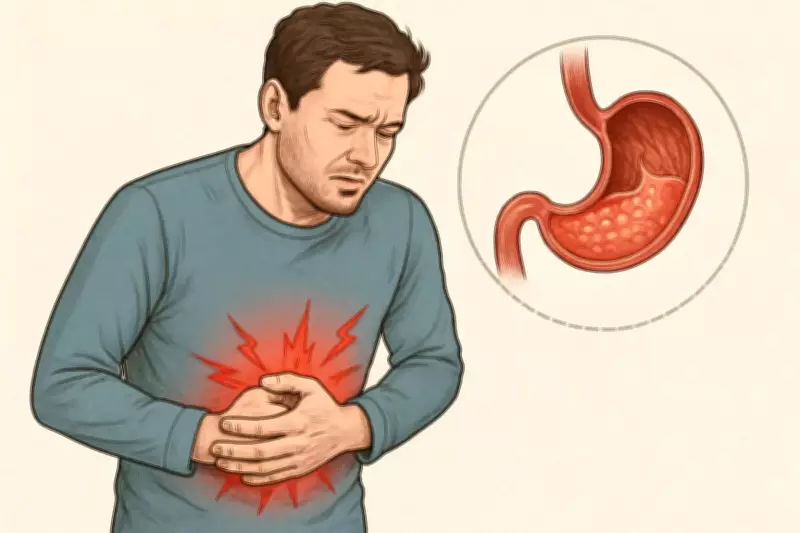
In a significant health alert, medical experts have revealed that nearly one in three heart patients experience stomach problems such as gas and vomiting following stent placement procedures. These complications can sometimes necessitate hospitalisation, highlighting a critical aspect of post-operative care that is often overlooked.
Conference Highlights Widespread Concern
The issue was brought to the forefront during a National Interventional Council conference held at Atal Bihari Vajpayee Medical University in Lucknow. The event, attended by approximately 1,000 cardiologists from across the country, focused on the challenges and advancements in interventional cardiology.
Dr Sharad Chandra, a prominent cardiologist at King George's Medical University (KGMU), provided detailed insights into the prevalence of these gastric issues. He stated that 25% to 30% of patients develop stomach-related symptoms after undergoing angioplasty. "These symptoms typically manifest three to four days after the patient is discharged from the hospital," Dr Chandra explained. "While most patients see improvement within one to two months, it is crucial that these symptoms are not ignored, as they can indicate underlying complications."

Causes and Risk Factors Identified
Dr Gaurav Chaudhary, another expert at the conference, elaborated on the potential causes behind these stomach problems. He pointed out that the contrast dye used during the procedure can lead to abdominal pain, gas, indigestion, or vomiting. Additionally, anti-clotting medications and infection drugs prescribed post-surgery may irritate the stomach lining, exacerbating these issues. Dr Chaudhary emphasised the importance of timely medical intervention, advising that patients seek OPD care or hospital admission if symptoms persist or worsen.
Dr Bhuvan Chandra Tiwari, head of cardiology at Ram Manohar Lohia Institute of Medical Sciences, highlighted that patients with pre-existing digestive conditions are particularly vulnerable. "Most of these symptoms are temporary and manageable with proper care," he said. "However, they should never be disregarded. Stopping prescribed medications or resorting to unverified home remedies can severely worsen the patient's condition." He recommended a regimen of light food, adequate water intake, regular medication adherence, and sufficient rest to mitigate these effects.
Broader Implications for Patient Care
The discussions at the conference underscore the need for enhanced post-operative monitoring and patient education in cardiology. With stent placements becoming increasingly common for heart disease management, understanding and addressing these gastric complications is vital for improving patient outcomes and reducing hospital readmissions.
Experts urged healthcare providers to incorporate stomach health assessments into routine follow-up care for heart patients. This proactive approach can help in early detection and management of issues, ensuring a smoother recovery process and better overall health for individuals undergoing such critical procedures.