

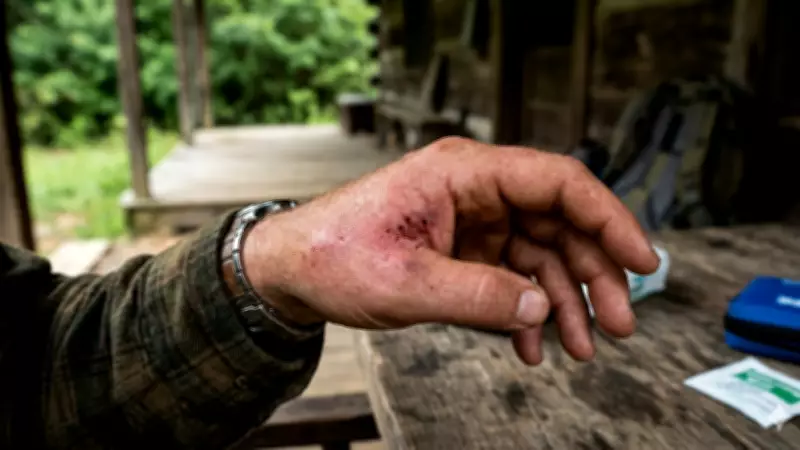
Myths regarding treatment for snake bites remain widespread among both urban and rural populations globally. One of the most common misconceptions is that sucking venom out of the wound is a valid treatment. Medical specialists, toxicologists, and global health organizations strongly advise against this method because it does not effectively remove venom and can cause significant harm to the victim. According to professionals, sucking venom can worsen tissue damage and lead to infection. It is crucial to separate fact from fiction when dealing with snake bites, as misinformation can cost precious time and potentially lives.
Why Sucking Out Snake Venom, Especially via Mouth, Does Not Work
Venom spreads rapidly through the lymphatic and circulatory systems after a bite. By the time someone attempts to suck venom out of the wound, most of it has already dispersed into surrounding tissues. The World Health Organization reports that snakebite envenoming is a major public health concern in many tropical and subtropical regions. WHO classifies snakebites as a neglected tropical disease, with 5.4 million snakebites, 2.7 million envenomings, and 81,000 to 138,000 deaths annually worldwide. Harmful practices such as cutting the wound, applying chemicals, or sucking venom should be avoided.
The Staff Development Centre at General Sir John Kotelawala Defence University also warns against sucking venom, noting that suction removes minimal venom while further injuring damaged tissue. Myths and delayed treatment significantly contribute to snakebite deaths globally.

The Dangers of Traditional Snakebite Myths
For decades, movies, folklore, and survival stories have popularized the idea of sucking venom from a wound. However, modern science considers mouth suction outdated and unsafe. The person administering first aid may be exposed to venom through mouth sores, and the procedure can introduce harmful bacteria into the wound. Scientists emphasize that besides incorrect techniques, panic can worsen outcomes. Movement, running, and overly tight tourniquets can accelerate venom spread or cause circulation problems.
India experiences thousands of snakebites annually. The Indian Council of Medical Research, in its snakebite information booklet for healthcare workers, advises using proven medical help rather than traditional methods.
What Experts Say You Should Do After a Snakebite
International medical organizations recommend calm and straightforward initial treatment. The injured person should remain as still as possible, as physical activity speeds venom circulation. According to the ICMR manual, patients should:
- Move away from the snake safely
- Keep the wounded area still and below heart level
- Remove any jewelry or tight clothing on the affected body part
- Seek immediate professional medical attention
- Refrain from applying pressure, suction, or ice on the injury site
Physicians suggest memorizing the snake's color or markings from a safe distance, but discourage capturing or killing the reptile.
Why Awareness About Snakebite Treatment Matters
Envenoming from snake bites remains a serious public health issue in many tropical nations. WHO classifies snakebite envenoming as a neglected tropical disease, as victims often live in remote rural areas with poor healthcare access. Misconceptions such as sucking venom, using herbs, or relying on magic can cause critical delays in receiving medical treatment. It is essential for potential victims to know the correct procedures.
The reality is that no one should ever attempt to suck venom. Medical research clearly shows that urgent medical attention, proper first aid, and anti-venom administration are what save lives.






