Mental health conditions such as anxiety, depression, and sleep disorders, once primarily seen in adults aged 30 to 50, are increasingly being reported among adolescents. According to officials at Civil Hospital in Jalandhar, the psychiatry department records nearly 1,500 to 2,000 outpatients every month, with approximately 60 to 70 percent seeking help for anxiety, sleep disorders, and depression.
Rising cases among teenagers
While these conditions were earlier more common in adults, doctors note a significant rise in cases among teenagers over the past one to two years. The hospital now reports seven to ten new cases each month among children aged 12 to 16 years.
Lifestyle factors driving the trend
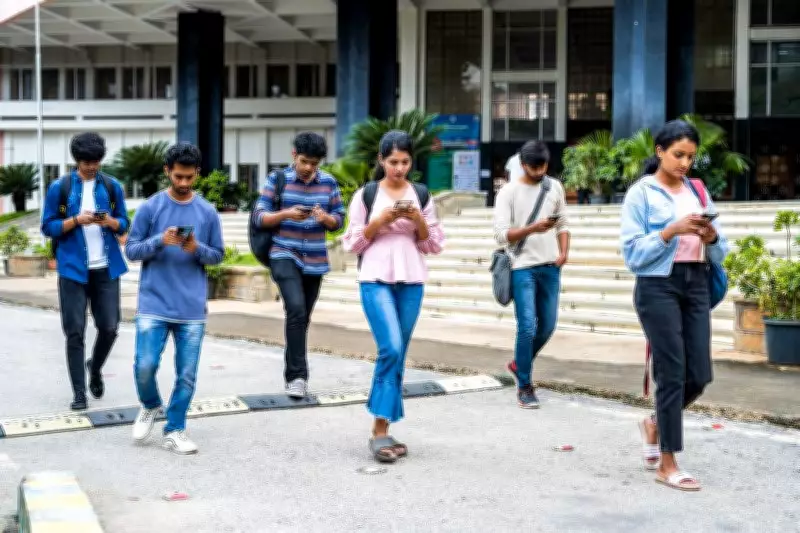
Dr. Abhayraj Singh, a psychiatrist at Civil Hospital, Jalandhar, attributes this trend to changing lifestyle patterns in adolescents. Key factors include excessive screen time, sedentary habits, consumption of junk food, excessive vaping, and in some cases, alcohol use. He highlighted that a growing misconception about vaping, often normalized through social media, is contributing to the problem. Many teenagers perceive vaping as less harmful or merely a casual habit, which encourages its use and masks associated health risks.

Warning signs for parents
According to Dr. Singh, anxiety and related mental health conditions in adolescents often develop gradually and may go unnoticed in early stages. Common warning signs include irregular school attendance, declining academic performance, aloof behavior, reduced communication, sudden changes in eating habits, and withdrawal from family interactions. Behavioral changes such as increased irritability, frequent conflicts with siblings, emotional distancing, and difficulty regulating emotions can also indicate underlying mental health concerns.
Delayed intervention a major challenge
Dr. Singh emphasized that parents often fail to recognize or acknowledge early symptoms, delaying timely intervention. As a result, many adolescents are brought for professional help only after their condition begins affecting academic performance, social interactions, or behavior significantly. Early identification and support are crucial and may involve psychological and psychiatric assessment, counseling, behavioral therapy, and lifestyle modifications. These include reducing screen exposure, improving sleep patterns, and encouraging regular physical activity. Medication is prescribed only when necessary and under professional supervision.
Government helpline available
To improve access to mental healthcare, the government's Tele-MANAS mental health helpline (1800-891-4416) provides round-the-clock support. The service connects individuals with trained mental health professionals for counseling, guidance, and referrals to specialized care whenever required.