SCB Hospital Fire Tragedy: Autopsy Points to Suffocation as Primary Cause of Death
In a tragic development from Bhubaneswar, doctors examining the victims of the SCB hospital fire have revealed that at least nine of the 12 fatalities likely resulted from suffocation, with only three individuals bearing external burn injuries. This preliminary assessment was disclosed on Wednesday, shedding light on the devastating incident that occurred in the trauma care ICU.
Forensic Investigation Underway to Uncover Specific Details
To determine more precise details behind these deaths, some samples have been sent to the State Forensic Science Laboratory (SFSL) in Bhubaneswar for comprehensive chemical analysis and organ study. A professor from the medical college confirmed that autopsies have been completed, stating, "After getting reports from there, we will submit our final report to the government within the next two days."
Chemical analysis is a critical forensic tool used to detect foreign substances or abnormal metabolic levels in the body, which can reveal the cause of death and estimate the time passed since death. Organ study involves testing tissues and organs to identify disease or damage, enabling pathologists to check for pre-existing conditions that may have increased susceptibility to toxic substances. This process can also help determine the duration of bruises or injuries, indicating whether they were recent or pre-existing.

Smoke Inhalation and Toxic Gases Blamed for Majority of Deaths
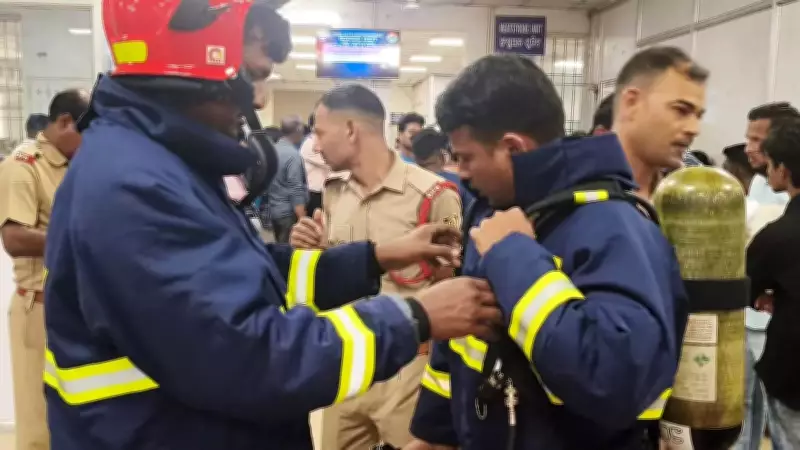
Another doctor involved in the investigation explained that thick smoke engulfed the first floor of the trauma care ICU after the fire broke out. Patients were asphyxiated and suffered respiratory burns due to this dense smoke. "Fire did not burn many, as patients were rescued immediately after the ICU caught fire. That's why the bodies of the majority of the patients were not burnt. Inhalation of toxic gas after the fire inside the ICU might have killed the patients. The chemical analysis of the samples may reflect this," the doctor noted.
This insight underscores the lethal impact of smoke inhalation in fire-related incidents, often overshadowing direct burn injuries. The rapid rescue efforts, while crucial, could not prevent the suffocation caused by the toxic environment.
Government Fact-Finding Team Submits Report
In parallel, the government's fact-finding team has submitted its report after probing the matter, though specific findings have not been disclosed publicly. Meanwhile, three patients who were shifted from the trauma care ICU are currently undergoing treatment, highlighting the ongoing medical response to this catastrophe.
The SCB hospital fire has raised serious concerns about safety protocols in healthcare facilities, with authorities now focusing on forensic results to guide future preventive measures. As the community mourns, the detailed analysis from SFSL is eagerly awaited to provide closure and accountability.