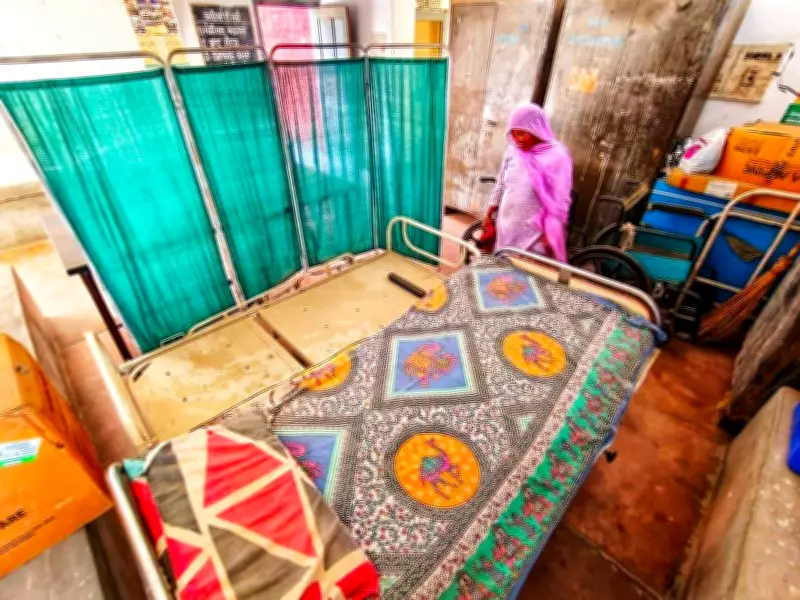
Rural Dispensaries in Punjab Face Neglect Amid AAP Government's Push for New Pind Clinics
The Aam Aadmi Party (AAP) government in Punjab has launched an ambitious initiative to establish 1,100 new Pind Clinics across the state, aiming to enhance primary healthcare access in rural areas. However, this push has drawn criticism as existing rural dispensaries are reportedly suffering from severe neglect, with issues ranging from staff shortages to inadequate infrastructure.
Existing Healthcare Infrastructure in Disrepair
Reports indicate that many of the state's rural dispensaries, which have long served as the first point of contact for healthcare in villages, are now grappling with operational challenges. These facilities often lack essential medical supplies, face electricity and water shortages, and operate with insufficient or absent medical staff. This neglect has raised questions about the government's priorities, as resources are diverted toward new clinics while older ones deteriorate.
Contrast Between New and Old Facilities
The AAP government's plan for Pind Clinics includes modern amenities and better staffing, intended to provide comprehensive primary care, including diagnostics and treatment for common ailments. In contrast, the existing dispensaries, some of which have been functional for decades, are struggling to meet basic healthcare needs. Critics argue that this approach creates a two-tier system, where new clinics receive attention while older ones are left to falter, potentially undermining overall healthcare equity in rural Punjab.

Impact on Rural Communities
The neglect of rural dispensaries could have significant consequences for local populations, who rely on these facilities for timely medical assistance. With many dispensaries in poor condition, residents may face increased travel distances to access the new Pind Clinics, leading to delays in treatment and higher out-of-pocket expenses. This situation highlights the need for a balanced healthcare strategy that addresses both new developments and the maintenance of existing infrastructure.
Government Response and Future Outlook
While the AAP government has defended its focus on Pind Clinics as a step toward improving rural healthcare, it has acknowledged the issues with dispensaries and promised to address them. However, concrete plans for upgrading these facilities remain unclear. Moving forward, stakeholders emphasize the importance of integrating old and new healthcare systems to ensure seamless service delivery across Punjab's rural landscape.