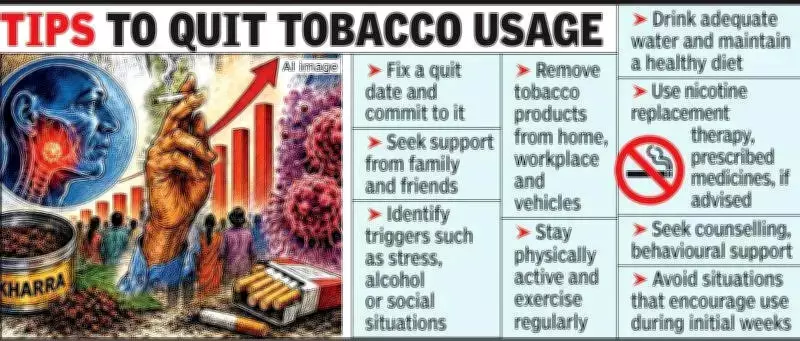
Nagpur: Oncologists and chest physicians have issued a warning that Nagpur and the wider Vidarbha region are witnessing a concerning increase in oral and lung cancers, driven by the twin threats of kharra consumption and smoking. This alert comes ahead of World No Tobacco Day, observed on May 31.
Alarming Cancer Statistics
Oncologist Dr. Saurabh Prasad stated that oral and lung cancers now account for nearly 35% of all cancer cases reported in the city. He noted a growing number of patients among young adults and women, indicating that tobacco-related diseases are no longer confined to traditional high-risk groups. While oral and lung cancers represent only about 7% of cancers in many Western countries, the burden is significantly higher in Vidarbha due to widespread tobacco use, particularly blended chewing tobacco known as kharra.
World No Tobacco Day 2026 Theme
World No Tobacco Day aims to raise awareness about the harmful effects of tobacco and nicotine products. The World Health Organization's 2026 theme, "Unmasking the Appeal – Countering Nicotine and Tobacco Addiction," focuses on the industry's efforts to attract children and adolescents through flavoured products, attractive packaging, and misleading marketing.

Health Risks of Smoking
Highlighting the dangers of smoking, Dr. Sushant Meshram, professor and head of pulmonary medicine at Government Medical College and Hospital, emphasized that tobacco remains one of the leading preventable causes of death worldwide. Tobacco smoke contains more than 7,000 chemicals, including dozens of known carcinogens, which damage lung tissue, reduce lung function, and significantly increase the risk of lung cancer. He added that second-hand smoke also places family members and co-workers at risk. Furthermore, smoking weakens the lungs' natural defence mechanisms, making people more vulnerable to tuberculosis.
Daily Consequences in Hospitals
Dr. Rajesh Swarnakar, president of the Vidarbha Chest Association, stated that the consequences of tobacco addiction are seen daily in hospitals through blackened lungs, chronic respiratory diseases, and cancers detected at advanced stages. "The tragedy is that most of these deaths are preventable," he said, noting that India continues to bear a disproportionately high burden of tobacco-related illnesses.