Punjab is experiencing a significant rise in cases of acute febrile illnesses as temperatures continue to soar across the state. Health officials have reported an uptick in patients presenting with high fever, body aches, and other symptoms associated with viral infections and heat-related conditions.
Current Situation
The state's health department has noted that the number of outpatient visits has increased by nearly 20% compared to the same period last year. Many districts, including Ludhiana, Amritsar, and Patiala, have reported clusters of cases. Hospitals are on alert, and additional beds have been arranged in some facilities to manage the influx.
Common Symptoms
- High-grade fever lasting more than three days
- Severe headache and body pain
- Fatigue and weakness
- Nausea or vomiting
- Dehydration signs
Causes and Contributing Factors
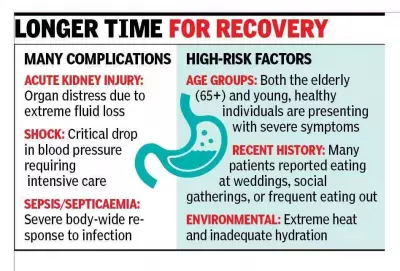
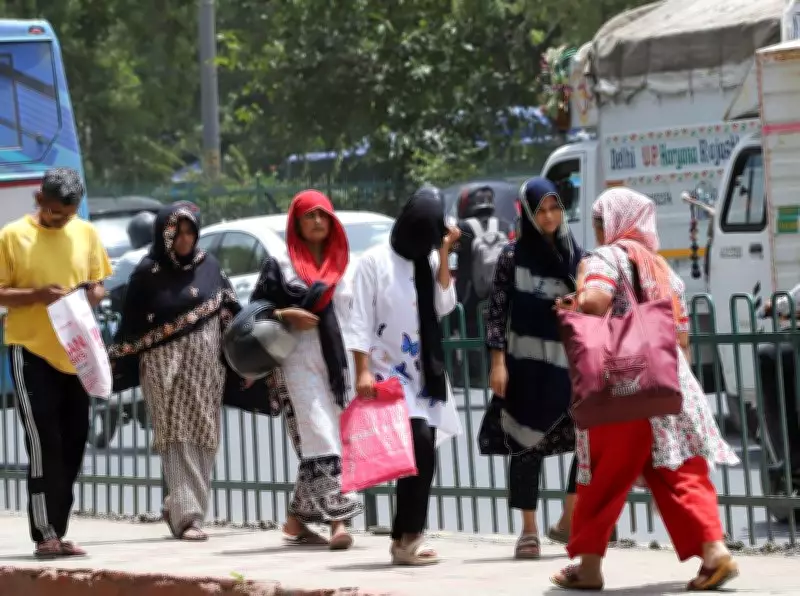
The spike in illnesses is attributed to the prolonged heatwave sweeping across northern India. Temperatures in Punjab have consistently exceeded 40 degrees Celsius, creating favorable conditions for the spread of viral infections. Additionally, the use of contaminated water sources and poor sanitation in some areas may be exacerbating the problem.

Preventive Measures
Health authorities are urging residents to take the following precautions:
- Stay hydrated by drinking plenty of clean water
- Avoid direct sun exposure during peak hours (11 a.m. to 4 p.m.)
- Wear light, breathable clothing
- Maintain personal hygiene and wash hands frequently
- Seek medical help if fever persists for more than 48 hours
Government Response
The Punjab government has activated emergency response protocols. Medical teams are conducting awareness campaigns in rural areas, and mobile health units have been deployed. The health minister has assured that there is no shortage of essential medicines or diagnostic kits.
Residents are advised to remain vigilant and not ignore symptoms. Early diagnosis and treatment can prevent complications, especially in children and the elderly.