

Pune Hospitals See Rise in Heat-Related Health Issues as Temperatures Climb
Doctors in Pune are witnessing an increasing number of patients arriving at hospitals with symptoms linked to dehydration, such as fatigue and unstable sugar levels, as the city experiences a notable early rise in daytime temperatures. Medical professionals have issued warnings, particularly for individuals with diabetes, emphasizing the critical need to stay hydrated, especially when spending extended periods outdoors. They also caution gig workers about the potential risk of heat stroke if proper precautions are not taken.
Medical Experts Detail Dangers of Excessive Heat
Dr. Vineet Rao, a consultant in internal medicine and diabetology at Jupiter Hospital, explained that excessive sweating leads to dehydration, which manifests through symptoms like dry mouth, dizziness, fatigue, and dark urine. "Hot weather can seriously impact health," he stated. "If the body overheats, heat exhaustion may develop, characterized by heavy sweating, headache, nausea, weakness, or fainting. In severe cases, a heat stroke can occur—a medical emergency where body temperature rises above 40°C (104°F), leading to confusion, unconsciousness, hot, dry skin, and a rapid pulse." Dr. Rao added that over the past few weeks, many patients have presented with complaints related to heat exposure.
Heightened Risks for Diabetic Patients
Dr. Monika Sharma, a senior consultant endocrinologist at Aakash Healthcare, highlighted that during summer, excessive heat significantly increases risks for those with diabetes. "Dehydration is very common in high-temperature conditions, which can raise blood sugar levels," she noted. "This makes it challenging to control glucose levels, and high temperatures directly affect how the body uses insulin. Consequently, even individuals who believe their condition is stable may experience sudden spikes or drops in blood sugar." Dr. Sharma also warned that high temperatures are detrimental for people with blood pressure issues or a history of stroke.

Broader Health Implications of Heat Stress
Dr. Sharma further elaborated that dehydration and elevated temperatures can stress both the heart and brain, potentially resulting in high blood pressure. "Since very high heat can make the blood more prone to clotting, it increases the risk of stroke," she explained. Additionally, high temperatures may elevate the risk of urinary tract infections in diabetic patients taking medications that cause urinary sugar loss.
Mechanisms Behind Blood Sugar Fluctuations
Dr. Suhas Khaire, a consultant endocrinologist at Noble Hospital and Research Centre, detailed how dehydration reduces effective plasma volume, leading to a higher concentration of glucose in the blood. "Subsequently, sugar levels rise," he said. "Heat stress can also increase hormones like cortisol, which may trigger transient hyperglycaemia. Moreover, exposure of insulin pens to high temperatures can reduce their potency, resulting in fluctuations in blood sugar levels."
Practical Advice for Managing Heat Risks
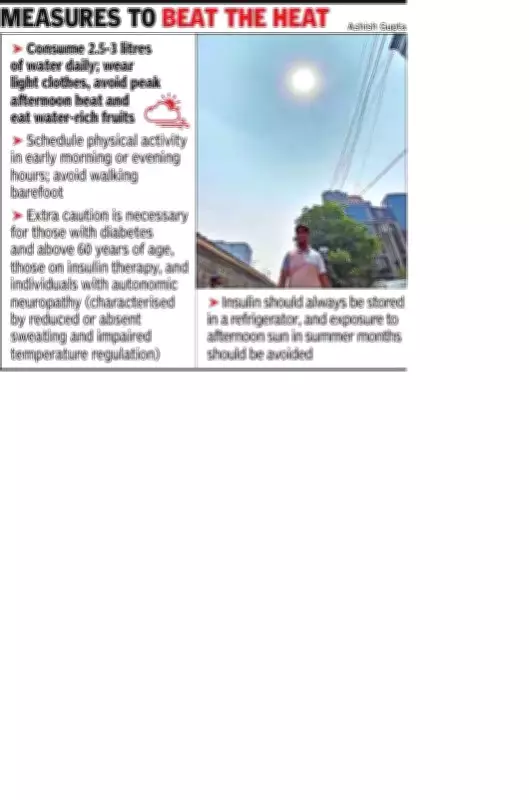
Dr. Sajli Mehta, a consultant paediatric endocrinologist at Surya Mother and Child Super Speciality Hospital, stressed that people with diabetes should not underestimate heat, as it can quietly disrupt blood sugar control. "Insulin may act faster in the heat and cause sudden low sugar, while dehydration can push sugar levels very high," he advised. "I always tell patients to check their sugar more often on hot days, sip water regularly even if they do not feel thirsty, and stay indoors during peak afternoon hours. It's crucial to keep insulin and testing devices away from direct heat because they can be affected and stop working properly." Dr. Mehta warned that ignoring these precautions can lead to fainting, severe sugar swings, ketoacidosis, heart strain, and even heat stroke.






